Unless stated otherwise, all the preceding sections were opinions and researches professed by Guy-Claude Burger until his death. I claim all the following for myself.
The two previous sections lay the foundation for everything that follows, offering a new conception of Man before cooking built from first principles and fact; understanding cooking’s impact on our prehistory, along with the implications of a once-widespread extrasensory capacity, demands a full rewriting of our history and prehistory. Weaving disparate threads into a single unsettling whole, we must uncover the true origin of human biodiversity back to the Pleistocene, to have any hope to any shared, brighter future.
Every media outlet tells us that every living human descends from African apes from 6 to 10 million years ago, along with a plethora of other semi-human lineages that branched off, merged with ours or eventually died, until we emerged victorious in the great evolutionary contest. The earliest part of the story, we do not criticize. When and where exactly we separated from bonobos, how long we wandered in Africa, is of a mild intellectual interest at best.
It is likely hominids lived in Europe several millions of years ago, but disappeared or migrated back. Debate only becomes warranted once we consider ancestors with brain sizes approaching at least the lower end of the modern spectrum.
the establishment claims that modern man left Africa around 50,000 B.C. to conquer all of Asia and Europe, mostly replacing and driving to extinction the species of men (called “primitive” or archaic) already present, namely the Neandertals and Denisova. To then become fully modern, but strangely enough only outside Africa. Africans showed very little morphological change, none in their mean brain size these last 100 000 years, a fact rarely mentioned.
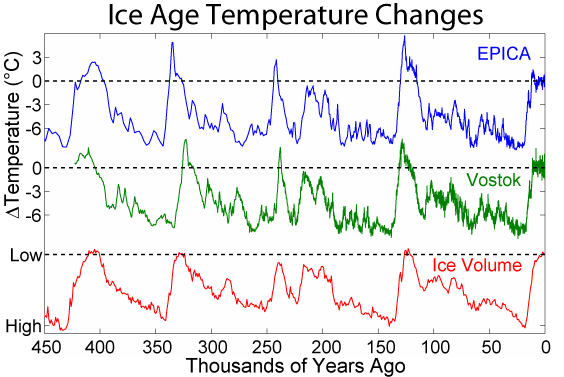
Homo Sapiens (whose closest descendants today are the Bushmen, barely reaching an IQ of 70) in very small numbers supposedly migrated all the way to Europe in the heart of the Ice Age, to kill or outbreed in a few thousand years a native species much stronger physically, with a bigger brain than any existing population, that adapted to life in the North and survived several successive glaciation cycles.
To put it simply: all studies bar none, show that Sub-saharian Africans and Indians have the smallest brains of the planet by a substantial margin, and both academic tests, economic markers and culture-neutral IQ tests unanimously show their intelligence is inherently, genetically inferior, owing to their smaller brains. Not every group evolved at the same rate or in the same conditions. We are not all the same, not in one family, let alone racial groups separated by continents.
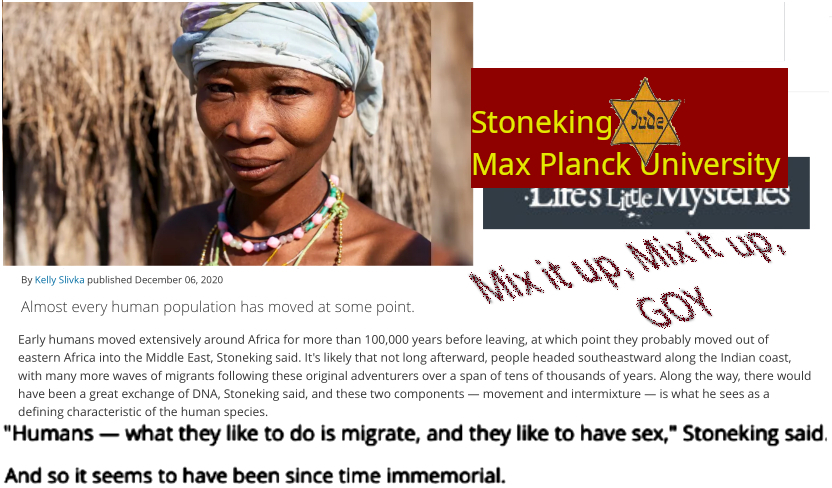
Oy Vey goy, shut up and give your daughters and wives to migrants!
This myth used ad nauseam justifies migratory invasions, the replacement of white populations by hordes of Negroes and generalized race mixing. The same ideologues and media repeat night and day that races do not exist, but the white one is decidedly too big and homogeneous or downright evil. The same ones, claiming we are genetically wired to find physical differences more attractive or that mixed individuals—enriched racially—are healthier.
The following questions dismantle the Out-Of-Africa baseless narrative:
How can a handful of immigrants adapt to a different climate whose skin is still unable to synthesize enough vitamin D without vitamin supplements survive in a northern climate during a glacial ice age period? Even the Inuit, despite a raw diet very rich in vitamins and a paler skin tone than that of Africans, traditionally suffer from deficiencies and have a short life.
Not only would they have to survive, but also beat the native species, intrinsically adapted to a low-light environment with revolutionary features such as fair hair and blue eyes (in Europe), and a robust body frame, while still today Europeans or Asians hold almost all strongman positions and strength records in the world.
But somehow after an epic race war against these supermen, Africans fell into an eternal slumber of the mind from which they haven’t woken up. Still today the Negro can not survive Northern countries without vitamin supplements and other artifices, how could he have conquered all of Eurasia and displaced the objectively superior natives ?
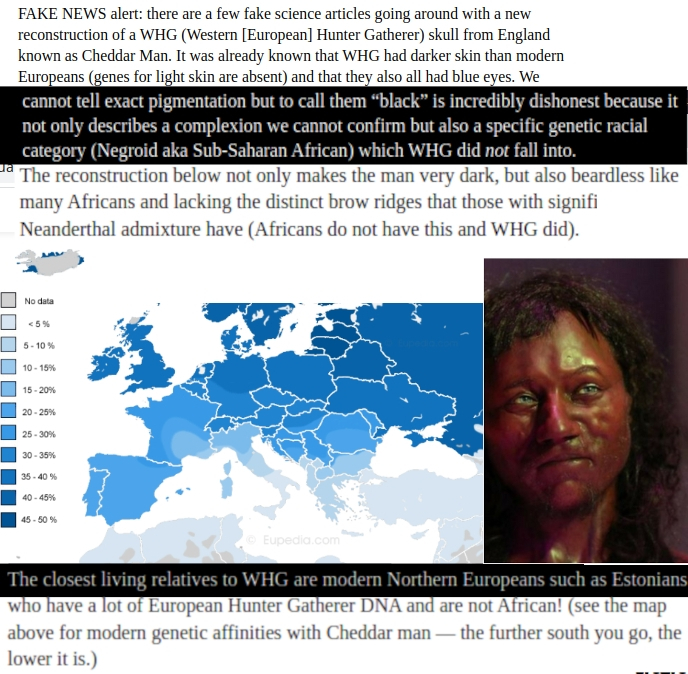
To see Cheddar Man with his dark skin it definitely provoked quite an emotional response in me, and I think that’s the power of this. It’s one thing to know that there were black people here thousands of years ago and to know that White people weren’t always White. We know there were Africans here before there were English people here, for example, and so through that that gives you a sense of the idea that there’s this indigenous British person who is White and essentially British is a fiction, it’s a narrative that was created over time, it’s not based on scientific facts so this is another feature of that really.
Afua Hirsch, mixed Guanian-Jewish-British Descent
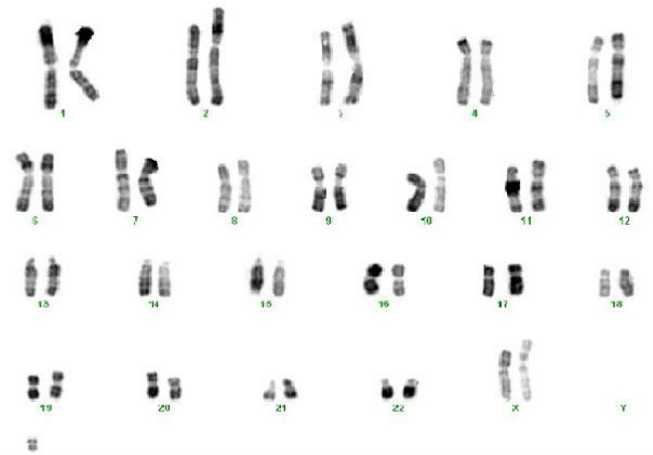
You might remember the famous “Cheddar Man” controversy, when Afua Hirsch, mixed Guanian-Jewish-British Descent, claimed to have proved through DNA analysis that prehistorical Britons had dark skin. This was thoroughly debunked. The study relied on incomplete genetic data, with 60% of the chromosome markers needed for accurate skin tone estimation missing, making the prediction statistically unreliable (probability <50%). The initial DNA samples were also potentially contaminated by modern DNA during collection in 1996, which was never peer-reviewed. The study used broad categories like “dark” skin without accounting for nuances in ancient pigmentation. Later research identified additional genes influencing skin color that weren’t considered in the original analysis. Yes, as ridiculous as it sounds, without a perfect sample—many chromosomes are missing—current models can not tell the difference between brown people and freckled redheads. The later possibility makes more sense considering Cheddar man’s blue eyes.
See the Cheddar man fiasco portraying early-Neolithic Europeans as negroid
A Spanish study from 2014 reiterated the same exact hogwash, blackwashing Europeans and receiving as much praised by Mr David Reich.
The La Braña “dark skin” conclusion rests on a detection unreliable from the start. The nuclear genome was sequenced at coverage well below the 8× threshold later identified as the minimum for reliable pigmentation inference. At that depth, you don’t necessarily find the ancestral allele — you simply fail to find the derived one, and call it ancestral by default. A locus covered 2-3 times can miss the derived variant through pure random sampling regardless of what was actually there. So the foundational claim—that La Braña carried ancestral alleles at SLC24A5 and SLC45A2—might just be a measurement gap dressed up as a result.
Moreover the interpretation does not survive the application of basic population genetics. The ancestral allele at SLC24A5 is shared by Sub-Saharan Africans and East Asians at roughly equal and near-universal frequency, two populations sitting at completely opposite ends of the global skin pigmentation spectrum. Thus the allele carries essentially zero predictive power about specific skin tone: it is the ancestral baseline state, not even of humans but of the human species, not a “dark skin allele”.
Statistically, the conclusion is even weaker. The entire “dark skin” finding hangs on two SNPs. Skin pigmentation is acknowledged to be highly polygenic, influenced by dozens of loci and the author lacked any living reference population carrying these specific alleles in a comparable genetic context, because those alleles are essentially absent from modern Europeans. They were therefore extrapolating across a genomic background that simply doesn’t exist today. What the public received in the guise of a museum reconstruction was pure propaganda, built on what was no more than a sequencing artifact, then interpreted through an allele predicting nothing specific about skin tone, in a genomic background that cannot be tested, by authors who buried their uncertainty in supplementary text while the press releases omitted it entirely.
All media today and only exist to serve Jewish interests and destroy European identity. Criticism is smothered if not reputations destroyed. Their strategy is to simply drown the media and institutions in lies, so many that no one has both the knowledge and time to disprove every single one.
Back to Neandertals: Systematically the goal post is shifted to earlier and earlier times, which is incredibly convenient, as DNA recovered for that time is unusable. There were none because all European “Sapiens” are Neanderthals, which incidentally had the unique traits of blue/green eyes and red hair, now nearly only associated with Europe. The molecular clock method is absolutely inadmissible for such a timespan because DNA so old is nowhere near intact enough or exploitable enough, so proving or disproving their claims this time will stay forever impossible.
The anthropological arguments fail, and “experts” in genetics time and time again have proved to falsify and lie about results and said repetitively that the purpose of their work is to fight “racism” by any means necessary (David Reich). And to these people, we entrust the remains of our ancestors and ask what to believe ?
We have been dispossessed of everything, told to hate ourselves, our history, even our prehistory. It is time to take it back.
Technically, the two most salient points argued by proponents of the Out-of-Africa viewpoint, are the following:
Populations in Africa has more diversity overall than all populations out of Africa, in some cases featuring more unique haplotypes than the rest of the world combined
Similarly the same study estimated the last common ancestor for the Y chromosome as dating in the same last study from 120,000 and 156,000 years ago.
These computations are obtained by running simple algorithms and formulas on respectively the whole of the mitochondrial DNA (16.5kb) for the female line and a digested Y chromosome for the male line, because these two genetic elements are inherited strictly through the parent of their respective sex with no contribution from the other parent.
African DNA’s higher diversity (its wider range of various haplotypes found elsewhere), and the fact it diverged less from chimpanzees does suggest that Africans are indeed closer to our common ancestor, or said otherwise, that these ancestors at some point were indeed Africans, the real question is when. Firstly the idea of a mitochondrial Eve (retracing the female MRCA) is not theoretically sound, and regularly be it in paleontology or archeology physical evidences contredict predictions from genetics.
Theoretically, Maximum Genetic Diversity has superseded neutral theory and the molecular clock, and explains their unreliability and lack of predictive power. MGD posits an inverse relationship between genetic diversity and epigenetic complexity. According to this axiom, as organisms evolve greater epigenetic complexity (e.g., regulatory networks, developmental programs), their genetic diversity decreases in a punctuated manner. This occurs because epigenetic constraints limit the permissible genetic variation, effectively reducing the number of places available for mutations, including adaptive ones, places now taken by epigenetics-related sequences that mostly accumulate down the phylogenetic tree.
These unchanged positions consist of two types. The first type includes the positions essential for the barebone or minimal function of a gene, whose change is incompatible with the biochemical activity of the gene in a test tube. The second type includes the positions essential for more complex species but not for simple species. As species become more complex, more positions in a gene will become unchanged or involved in more complex traits. Changes in these positions may not alter biochemical function or activity in a test tube, or even short-term phenotypes in living organisms but may reflect taxon-wide ecological constraints and affect long term survival of the more complex species but not the simple ones.
To hope to derive the time of divergence (synonymous with the most recent common ancestor) one must carefully choose genes evolving slowly enough not to have saturated yet. As coalescent models grossly ignore these constraints, results are meaningless and contradictory, both with themselves and fossil evidence.
Using mitochondrial DNA for coalescence study has proved a terrible idea, due to its erratic variation in mutation rate and patterns of change decoupled from nuclear DNA. Most quantifying constraints in the human mitochondrial genome has shown that most variants in mitochondrial DNA, including those in the non-coding region, are subject to selection. This simply derives from mtDNA having reached mutation saturation, possibly for millions of years already.
While the theory nor its application by its authors is not a complete theory of evolution by any means1, it is interesting to note that coalescence calculations using slow-mutating yet neutral sequences we actually find a time of divergence of all human races of approximately 2 millions, in total accordance with the oldest fossils of Eurasian Pleistocene hominids even though the authors obviously did not intent to achieve this, but only worked from genetics.
A few words need be said about recovered Neanderthal DNA and subsequently the genomes sequenced from it: it is garbage due to the exponential rate of decay with time. It is so obviously decayed it includes many features not found in any ape, indeed incompatible with life, that have still not been corrected in the Vindija Cave’s reference genome to this day. What good then could be the rest of the sequence ? Very little. More exactly, matches made with modern sequences are still informative (because decay can not by chance create a given complex sequence) but not finding a match on the other hand, proves anything.
Additionally, there is no archaic sapiens DNA with which to compare Neandertals, not a single one, because African heat and aridity induce an exponentially worse degradation save for very special conditions such as clay ice or acidic peat bogs. We only ever compare archaic Neanderthal DNA to modern day humans, never to equally ancient African DNA, which does not exist. If we were to find a sufficient quantity and of equivalent quality of African DNA from an equivalent period, say 44 000 BP, it would appear just as different from us, just as incompatible with life and victim of the exponential decay rate of DNA.
Conclusion: anyone arguing, despite all this, that we did not descend from the Neandertal because its DNA has nothing in common with ours, should never have gone to school or taught writing. Sadly, this describes the majority of geneticists and paleontologists in that area… including most whose works we just referred to.
Several strategies are employed to give the impression that Neandertals were either not as smart as modern people, either because the bigger brains meant nothing, because their skulls were emptier so their brains were no bigger actually. These “corrections” all result in a lower encephalization quotient, as we will see without any justification, based on unproven assumptions as always. The only real motive is to make them look stupid. They “correct” for differences in body weight, which they completely make up (adding a good 20 more kg than a human of that size), and by supposing a proportionality between eye sockets and the visual processing center of the brain.
To sum up their arguments:
Neanderthals supposedly had significantly larger visual systems, when added to the much higher BMI estimations (for a “much greater body mass”) would make for a much smaller adjusted endocranial capacity. Below we explain how this is delusional..
For modern humans, the relationship between cranial capacity and brain volume is thought to be closer because modern humans have a more globular skull shape that better accommodates the brain leaving less “extra” space for cerebrospinal fluid or meninges.
Modern human brains are organized differently, with relatively larger cerebellums and higher cortical folding (gyrification), which may allow for more efficient use of cranial space.
To imagine the skull was more empty because of the shape or their brain literally smoother is just ridiculous. We evolved for this shape, all hominids have. Why would the brain not squeeze itself to fit the whole skull, no less than it does now? When you do not know, do not assume the worst for the sole reason that it makes you feel good. This is just slander.
An alternative hypothesis states that brain size positively correlate to eye sizes, thus the bigger eye sockets (not bigger eyes mind you) of Neanderthals would explain their bigger brains without implying a higher intelligence, most of that additional mass being dedicated to sensory processing. That correlation checks out, but the conclusion does not: if we assume reasonably proportionality (twice the visual information requiring twice the processing power and gray matter), then the increase should logically concern centers dedicated to visual information processing only. But instead the correlation fits well with overall brain size.
The results showed that the biggest brains, averaging 1,484 millilitres, were from Scandinavia, while the smallest brains, around 1,200 millilitres, came from Micronesia. Average eye socket size was 27 millilitres in Scandinavia and 22 millilitres in Micronesia.
If the theory held true, the increase should be 23% of the 20% of the brain doing visual processing, which would mean 56 more cubic centimeters, not 300. If that volume had no correlation in higher brain functions, our eyes would need to be not 23% bigger than those of Micronesians but 559%—which is to say 6.59 times bigger than theirs. Instead, the correlation likely reflects a general allometric scaling effect: populations or species with larger brains overall also tend to have proportionally larger sensory cortices, including visual areas, rather than vision being the primary driver of brain enlargement. That explains why the correlation also exists not only with bigger brains, but with a higher intelligence too. In other words, that argument proves exactly nothing, except that species native to cold regions invariably evolve higher intelligence. Regardless, there is not correlation between eye sockets and eye size in Neanderthals so the question is moot.
The other argument to deny the importance of a bigger skull is the belief, arguing Neandertals were more massive than us for the same height and the bigger brain served to control the body. The motives for such an idea (and lie) are two fold: Among related species, differences in brain size have been correlated to differences in body mass: the more mass, the more information to process. Leading to the false assumption that relative (to the body) brain size matters more for intelligence than absolute size, although evidences are slim and scientific opinions mellowed out this last decade:
It is believed now that most of the brain does not scale in size with body mass linearly, as most bodily processes occur identically for a 1.4m tall Pygmee or a 1.9 meter-high Icelandic strongman. But it does not matter, Neandertals were not at all heavier. Their BMI was no different from ours.
Having established why on logical grounds the official tale of the Sapiens invasion would never make any sense, and how subsequent attempts to justify it involved more and more absurd theories such as species-wide mass die-off from epidemics, straight-up race war, or a sudden self-genocide due to genetic defects from inbreeding (which never bothered them before), we are left with one line of arguments, that most people in their near-sightedness and ignorance of the history of science, consider definitive: genetic evidences.
The mainstream claims that archaic (Neanderthals’, because there are no contemporary African sequences) human genomes demonstrate the presence of specific markers shared by all such genomes.
But we know from experience, approximately, the strength and resilience of raw-eating men. Diseases virtually do not exist. When dealing with long timescales and evolution, logic and common sense comes before molecular evidence, which are much more prone to interpretation if not good old data fudging. While most uneducated or unintelligent people think, genetic evidence is not incontrovertible at all.
Imitating degraded, ancient-like DNA became feasible post-2000 with advances in phosphoramidite synthesis and enzymatic damage simulation (e.g., C-to-T deamination via bisulfite or UV treatments). Full bacterial genomes were synthesized by 2008 (Craig Venter), and by 2010, self-replicating synthetic microbes were achieved, enabling precise ancient sequence recreation if referenced.
And as it appears, modern molecular analyses on Neanderthals did not start before 2010, and all without exception involved a very limited number of people, many members of Svante Pääbo’s team at the Max Planck Institute. As Sherlock Holmes said: “when you have eliminated the impossible, whatever remains, however improbable, must be the truth”. A continent’s worth of super men disappearing is impossible, it entails a conspiracy brought forth by those so-called evidences.
Truth is, we just don’t want to see.
Israeli or Zionist milenarist groups in particular, and their American slaves, near-flawlessly engineered the 9/11 false-flag operation without any turn-coat despite the enormous man-power and logistics involved. But more than enough evidence has been made public, justas there is for the existence of the Psi. We just refuse to see.
In front of that, what is handling just about ten bags of bones and at most the few dozen believers or prostitute scientists touching the fossils ?
So unless many truly independent groups supervise the whole procedure, which can easily be manufactured today, the thesis of a forgery is not a laughing matter, and depending on where it happens, would not even have to involve that many people.
First we must get the older, mitochondrial argument out of the way: for long only mitochondrial sequences were available, and of course scientists grossly underestimated the level of decay artefacts which we talked about already, scattered around the whole genome far, ruling any hope of retrieving any useful phylogenetic information. Because we do not and can not have a certifiable intact sample from the time as if frozen in Dune’s anentropic time capsule, we can not experimentally create a model of decay through time. We can however, doubt the validity of any sequence with features provably incompatible with life for any living being. When we remove those artifacts, the sequences become nearly identical to modern ones, as should be expected as we differ little that much from chimpanzees to begin with. There is no need for foul play here, just convenient idiocy.
Nuclear DNA is another story altogether. Using available data, fixed differences were confirmed in all three high-coverage archaic genomes available at the time, the Altai Neandertal (Siberia), Vindija Neandertal (Croatia) and Denisovan (Siberia). These differences are ancestral in all three archaic samples and derived (fixed) in all modern humans. For each gene in the list the ancestral allele was identified in the following samples2.
If decay may produce identical markers given identical genomic contexts, I can not imagine how it could generate haplotypes identical to that of chimpanzees. There remains only a single conclusion compatible with the anthropological facts (excluding a replacement of population), however unsettling. If someone were to add a small amount of artificially damaged (ancient-like) DNA to a genuine ancient DNA sample-perhaps to introduce misleading signals or support a desired hypothesis-could this be detected?
Most aDNA authentication methods are designed to detect large-scale contamination (e.g., modern human DNA in ancient human samples). These methods rely on: damage patterns (e.g., C→T at ends), fragment length, endogenous DNA content (proportion of DNA from the target organism), population genetics consistency.
Manufacturing only a small fraction of the DNA to look ancient (with appropriate damage and fragmentation) could in theory, be much harder to detect. Low-level contamination is often masked by the natural variability and noise in aDNA datasets, and it is very possible to recreate the damage pattern, especially if we access the untempered sample. If the contaminant DNA introduces alleles or haplotypes that are plausible for the sample’s context, it may not raise suspicion, in particular if your team (that of Svante Pääbo and David Reich) has been single-handledly fabricated the whole academic discourse over archaic humans for decades. Once you control the fossils, you have both the credentials and the means to create extremely convincing, hard data consistent among samples to support your agenda.
The best defenses are rigorous negative controls, open data and transparent reporting, ongoing development of more sensitive detection methods, but most importantly multiple independent extracts. Which do not exist.
No published nuclear DNA extracts from Neanderthal or Denisovan fossils yielding relatively good quality sequences (e.g., >1x coverage, usable for population genetics) exist without leadership or major involvement from Max Planck Institute teams (often with David Reich collaborations).
No qualifying independent extracts exist, as all high-quality nuclear sequences derive from Max Planck-led projects:
Denisova 3 (2010, ~1.9x, finger bone): Max Planck/Reich.
Denisova 4 & 8 (2015, low-coverage nuclear): Max Planck.
Denisova 11 (2018, hybrid offspring): Max Planck (Slon et al.).
- Sediment nuclear DNA (e.g., Vernot 2021 from Chagyrskaya/Denisova Caves).
And those that do not (e.g., Baishiya mtDNA by Lanzhou) lack nuclear data. Independent efforts yield only mtDNA or fail to produce viable nuclear genomes from fossils or sediments suitable for population genetics. Not a single published good nuclear sequence exists without the major involvement of Svante Pääbo or Reich. In light of all this, I believe in a conspiracy led by antiracists and millenarist Jewish interests to destroy European heritage, morale and pursue our replacement.
Paleontological remains indicate a morphological and cultural continuity between Neanderthals, Upper Paleolithic and Neolithic modern men in Europe and the Levant. We also see a lesser progression from robust to “gracile” types in Africa, although change in cranial capacity in this case goes slightly upward and correlates with mixing.
In Europe the type immediately succeeding Neanderthals is the “Cro-Magnon,” native to Eurasia, with no presence in Africa. Man in Africa and Australia is not “modern” at all: in certain regions the cranium has barely changed since the start of the species 300,000 years ago. On the other hand, judging from the oldest Cro-Magnon DNA, Scandinavians appear to be the oldest group in continuity with early modern men in Europe. Once we recognize a recent African origin as impossible — given the preservation of so many recessive ancestral traits — we must conclude from their genetic and morphological similarities with Upper Paleolithic Cro-Magnon that Nordic people descend from an unbroken line of European hominids dating back hundreds of thousands of years.
The typical “primitive” skull shape persisted in Neandertals and, to a lesser degree, in later Europeans, in whom characteristic Neandertal morphology still surfaces in some individuals — the “hemi-bump” among other traits. The claim that this represents a mere 3 to 5% admixture is utterly laughable: fair skin, eyes and hair, a very high cranial capacity, and elements of a more developed cranial superstructure are recessive traits whose conservation — seen at their peak in Scandinavia, where brain volumes equal the largest ever recorded in ancient hominids — is flatly incompatible with significant mixing. Nordic people are, in short, Neandertal man, adapted to arctic conditions, without substantial admixture. The degeneration into what followed is a change we brought upon ourselves, as argued below.
Most Europeans and East-Asians today age and die before reaching their maximum brain size. But the healthiest individuals do reach astounding volumes fully in line with their ancestors. Due to variations in measurement methods and high intra-population variation figures vary widely; however in 2020 Chinese adults averaged 1510 cc, while old Finns between 60 and 77 years reach an average of 1572.9 cc, with maximums above 2000 cc.
We can outline here the most likely scenario of our evolutionary history. Which African species went to Eurasia and when remains contested. But whichever it was allegedly left Africa first — through the Levant or across the Mediterranean during periods of lowered sea levels — and gave rise to Neanderthals. The first pre-human fossil found in Europe dates to 7.2 million years, though we are too alike for such an ancient splitting event.
The first skull complete enough to measure in Europe dates to 850,000 BP with a size between 1,000 and 1,150 cc, described as having mixed modern-archaic traits: an elongated braincase, flat face, and reduced brow ridge. Its age at death is estimated at 10 to 11.5 years, however, while other specimens of the same group show a marked double brow ridge — so we may safely conclude the specimen (ATD6-69) was simply young. This and later specimens firmly register in the wider Neandertal lineage.
Fossil
Age (years ago)
Dmanisi Skulls 1–5
1.85–1.77 My
Between African ergaster and later Eurasian Erectus. 546–775 cc.
Grăunceanu
>1.95 My
Cut marks on bones
ATE7-1
1.4–1.1 My
Homo erectus – Partial upper jaw and cheekbone
Barranco León
1.4 My
Homo sp. – Single tooth
Kocabaş
1.1–1.3 My
Homo erectus – Partial skull vault. Estimated ≈1,100 cc based on curvature
ATE9-1
≈1.2 My
Homo antecessor – Lower jaw fragment
The precursors of Homo antecessor and Homo heidelbergensis likely left Africa in multiple waves, with a key initial expansion at least 1.95 My ago. We may therefore conclude that the last common ancestors of Asians and Europeans, after the split from Africans, lived at minimum 1.75 My ago — likely 2 My — with skulls ranging from 500 to 800 cc at the time.
It is not rare for species 2 million years distant to interbreed — the American and European bison (1.7 and 0.85 My) and false killer whales with common bottlenose dolphins (likely over one million years apart) being cases in point. Regards to genetic distance, hybrid sterility or morphological differences, time matters less than mutation rates and where they strike: some features weigh more heavily on reproductive isolation than others, causing anatomical, genetic or behavioural incompatibilities.
Brain size evolution was not a linear process and there has been significant variation within species until the late Pleistocene (126,000 to 40,000 years ago). Very small-brained people, like Anatole France (≅ 941 cc), can function well in our society; if we consider that natural selection ensures animals always maximize the use of their hardware in the environment they evolve for, the current European norm might have been sufficient as soon as Homo Heidelbergensis reached African cranial sizes of 1,250 cc or less. Simple Darwinian evolution does not explain the excess: we are much smarter than mere survival requires, since apes manage equally well even in near-polar climatic conditions, meaning cold-climate cognitive demands alone cannot account for the degree of encephalization. We believe the extra brain matter, in so far as it corresponds to more neurons, relates more to extrasensory capacity than to pure cognitive intellect.3 We do not know when to set that threshold, but we do know that around 300,000 BC encephalization accelerated in Europe and stopped in Africa.
This acceleration coincided with a population bottleneck: morphological analysis — as opposed to the unreliable genetic kind — shows that European populations underwent a loss of diversity coincident with the continent-wide establishment of classical Neandertals, explaining the disappearance of ancient lineages with significantly lower brain volumes that had not undergone this second wave of encephalization.
It can be proved that Neandertal morphology turned into modern European morphology because cooking reduced our lifespan from centuries to a mere century. The skeletal robustness that characterized Neandertals was shared by all previous species; even Early Homo Sapiens had a thicker femur cross-section.
Mrs. Marie Cachet concludes that we are 99% Neanderthals, and that degeneration into progressively “modern” humans was caused by introgression of African genes, compounded later by autodomestication in the context of the Neolithic revolution and agriculture. Our thesis supersedes and updates hers, though her website’s extensive archaeological and anatomical evidence remains worth consulting. Her explanation of the cause of degeneration, however, fails completely.
She supposes that extreme cold pushed European populations, reduced to very small numbers, to the Middle East, where they interbred slightly with Africans — enough to trigger a radical reduction in women’s pelvic size, which then drove a downward spiral of brain shrinkage and ongoing autodomestication under sedentary conditions. Domestication frequently selects for infantile traits (barking in dogs disappears in wolves by adulthood); this would explain the degradation of bone thickness, joint size and gracilisation of the cranial superstructure alongside the brain.
But hybridization is incompatible with the evidence. First, despite supposedly sufficient admixture to cause such drastic effects, most of Europe still showed blond hair and blue eyes as recently as 2,000 years ago — recessive traits that betray any significant mixing, but do not here. Second, if mixing had been the primary driver, intermediate forms should show close to 50% admixture, since mixing is a stepwise process diluting by half with each generation of backcrossing. Instead we see the opposite: a continuous morphological transition from robust to gracile, inconsistent with any hybridization event. Hybridization is an unprovable deus ex machina.
The effects of domestication, by contrast, are easily demonstrable: wolves are bigger, stronger and smarter than dogs. Yet this seductive story fails on timing: most of the morphological change had already occurred by 20,000 BC, long before sedentarisation and agriculture began. Europe maintained a hunter-gatherer lifestyle until 9,000 to 8,000 years ago — for some groups, not until the Roman conquest. We explain the transition instead by the mutagenic effect of cooking, which mirrors the effect of domestication precisely.
Domestication directly increases apparent neoteny: it reduces lifespan, weakens bone structure, and maintains juvenile characteristics and behaviours. Autodomestication refers to the same process self-applied, in the context of a sedentary life and social norms increasingly alien to natural instincts, making reproductive success ever more dependent on immature, tamed characteristics.
In the case of Neandertals, cooking did considerably more. Dentist Dr. Jack Cuozzo, by studying the fossils and applying his professional expertise, revealed multiple anomalies inconsistent with paleontological interpretations, particularly regarding growth rate and the supposed age of the fossils. His analysis also revealed reconstructions that no one with a basic knowledge of anatomy could have produced in good conscience, as well as deliberate alterations to the fossils themselves — damage done with the obvious aim of forcing them to conform to a desired narrative and depict Neandertals as inferior. These are serious but well-documented accusations.[^feet]
His first discovery was that dental and bone morphology indicate not a rapid, ape-like maturation, but a far more protracted growth period than our own. The problem of tooth wear is illustrative: wear rate across whole populations reflects only the passage of time, regardless of lifestyle. No known diet, across the full historical range of human eating, accounts for the degree of wear observed — leading specialists to invoke implausible uses of teeth as tools. More tellingly, Cuozzo noticed excessive wear on the first primary molars relative to the second, implying a far longer interval between their eruption than the nine to twelve months typical in modern children. This is what protracted eruption means: more years between tooth emergence, not more vigorous chewing.
Their primary (deciduous) teeth were larger and sturdier than our permanent teeth, sharing the same taurodontic structure.4 In all cases, wear is attributed to unknown lifestyle factors never observed in any current population, however primitive. In Cuozzo’s own words: “Age or ape!” — meaning the only two interpretations of such extreme wear are either a lifespan of extraordinary length, or a rate of maturation exceeding even that of apes. Neither fits the mainstream model.
His second discovery was that the typical Neandertal morphology is not a simian trait preserved from apes, nor the result of rapid growth, but the result of a multi-century growth period instead. Projections using current growth charts confirm this: models extending normal human growth past our 120-year maximum produce Neandertal skulls at around 400 years. Neanderthals were men before the Flood, living up to a thousand years.
Dating when cooking began matters for the timeline of our degeneration. There is no certainty yet as to when or where it started, or how quickly it became general — and the grip it exerts makes the question harder to answer than it might seem. According to drug addicts who have done both, giving up cooking is significantly harder than giving up heroin. While heroin withdrawal is physically harrowing, it is felt as external and can be combated; the grip of cooking reaches deeper, inverting one’s entire value system, the very source of will.
Using the Bible as a reference, the transition from long lifespans to normal ones lasted two to three thousand years from Adam to Abraham’s first son, then accelerated to just 500 years from Noah onward — the whole amounting to at most a dozen generations, perhaps extending to a few more thousands if men sired sons very late. From our point of view, the disappearance of archaic traits must have been nearly instantaneous rather than gradual, possibly even faster given the scarcity of intermediate specimens.
Vindija 33.16
Oase 2
Mladeč 1
Alleged species
Neandertal
E.M.H
E.M.H
Dating (BP)
≈40–38 ky
≈40–38 ky
≈35 ky
Robusticity
Bones slightly more gracile than earlier Neandertals; heavy but less continuous brow ridges; large, projecting midface; little chin, slight gap
Still more gracile; reduced but moderate brow ridges; flatter, shorter face with higher forehead; intermediate chin, no gap
Still more gracile; near-modern brow ridges; modern forehead, chin and jaw
Cranial Capacity (cc)
≈1,400–1,500
≈1,500–1,600
≈1,500–1,550
Braincase shape
Low, elongated but slightly rounded
Globular with archaic features
Fully modern
We can expect the traits most subject to long continuous growth or reshaping — elongated versus globular braincase, supraorbital torus, length of face versus forehead — to be the first to modernise. Juxtaposing the last Neanderthals and the first Cro-Magnons confirms this: the morphological succession appears to span no more than a few thousand years. The last specimens of the classical type (Saint-Césaire) date to 40,000 BP and disappear after 35,000.
The Neandertal type in Northwest Europe disappeared earlier than previously thought, overlapping briefly with more degenerated Cro-Magnon types in other regions. Cooked groups in various stages of degeneration coexisted with raw, long-living groups for at least a couple of thousand years, since cooking did not spread instantly across the planet.
If we assume long lives derived primarily from the extrasensory, and that dolichocephalic growth is genetically programmed, then a population from its very first generations of cooking would display skeletons as robust as their forebears but skulls immediately closer to those of modern Europeans — because accelerated ageing closed cranial sutures before much cranial growth had time to occur. Indeed the first “modern men” in Europe had brains just as large as the average Neandertal and a very similar skeletal structure, but a rounder skull.
Those extraordinary eyebrow arches were not common in Neanderthals — perhaps three or four fossils in all. The truth is, at an equivalent stage of maturity relative to their total lifespan, they retained more childlike and gentler features than we do, without sacrificing strength or robustness, since aesthetics and beauty — both inner and outer — were major elements of their instincts as they are of ours. Conversely, the larger supraorbital ridges arise because they lived much, much longer. Mistaking the average age of death of conserved bodies (implying particular care in burial) for the mean age of the living population is an elementary error, yet most specialists make it.
Several details have long been exaggerated or falsified — and the fossils themselves tampered with. The forward projection of the jaw, designed to suggest a simian look, and the systematic erasure of the chin are recurrent distortions. For two centuries, reconstructions did not stop making Neanderthals look primitive and brutal.
It is worth pausing on why. What we preserve by lying and hiding artefacts is the culture the victors of the Second World War cemented — its antiracism and egalitarianism. The truth of our origins would prove Nordic supremacists right overnight in the eyes of tens of millions. From the very beginning, the first archaeologists — Christian priests — destroyed relics and suppressed finds for a different but equally motivated reason: how could one place men similar to, yet better in every way than, current humanity within a story of salvation by Jesus?
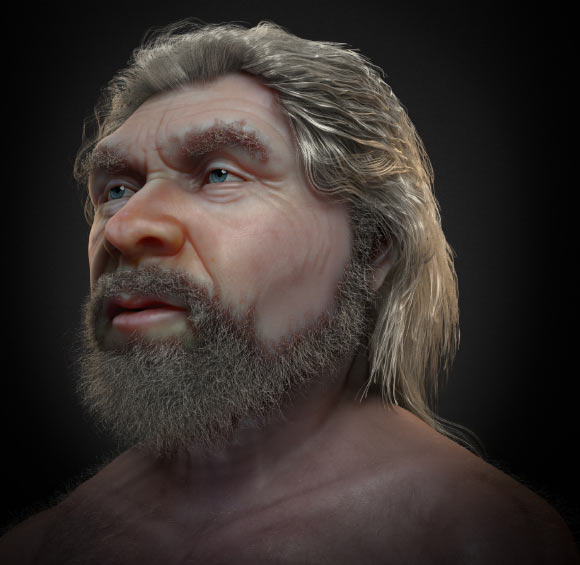
The most recent and accurate reconstructions have now dropped the pretence and finally show the truth of our origins, even if no one seems to have noticed. If figures are cast assuming rough proportionality, a Neandertal in the first third of his life would correspond to roughly 30 years by our lifespan.
The genetic argument will be touched upon below. The classification into three root races — Whites, Blacks (including Congoids and Capoids/Bushmen/San), and Asian/Mongoloid — is old but easy to apply, and recent population genetics validate it. Craniometric measurements are in any case easier to work with than genetics for these purposes: such visible traits depend on large numbers of genes that are difficult to isolate and quantify, while their expression shows in the mirror. Moreover, unlike bone, close to nothing survives of DNA after more than 10,000 years, according to the Arrhenius equation.
for a rather accurate comparison
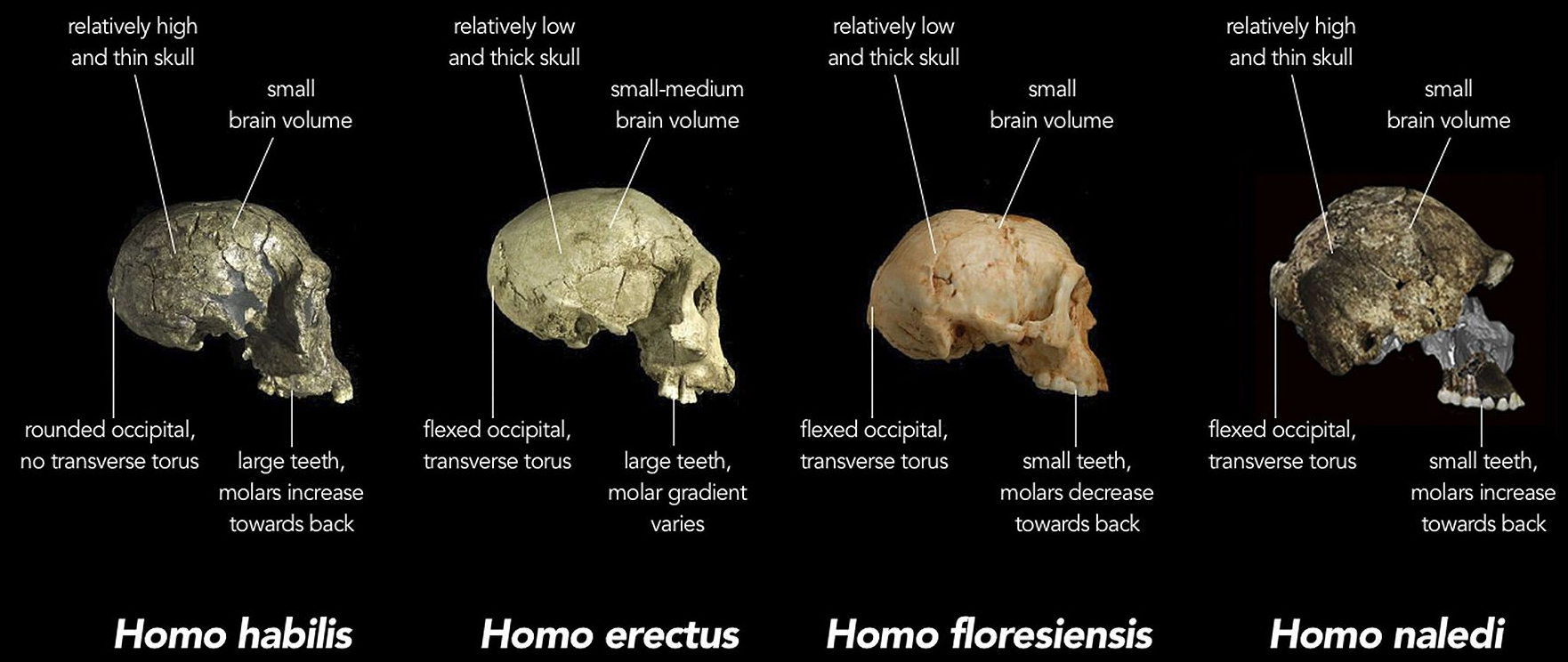
Humans do originate from Africa, but much earlier, leaving the continent along coastlines. Several groups then split, giving rise to Homo antecessor (from which Homo Sapiens, or the Negro, evolved) and Homo heidelbergensis (probable common ancestor of Neandertals). Other branches of Homo erectus appeared and disappeared, including two dwarf species with reduced brains — Homo floresiensis and Homo luzonensis (no more than 1.50 m). Insular dwarfism aside, all branches then underwent continuous encephalization — but some far more than others, with Asian and European species reaching a ceiling of approximately 1,700 cc.
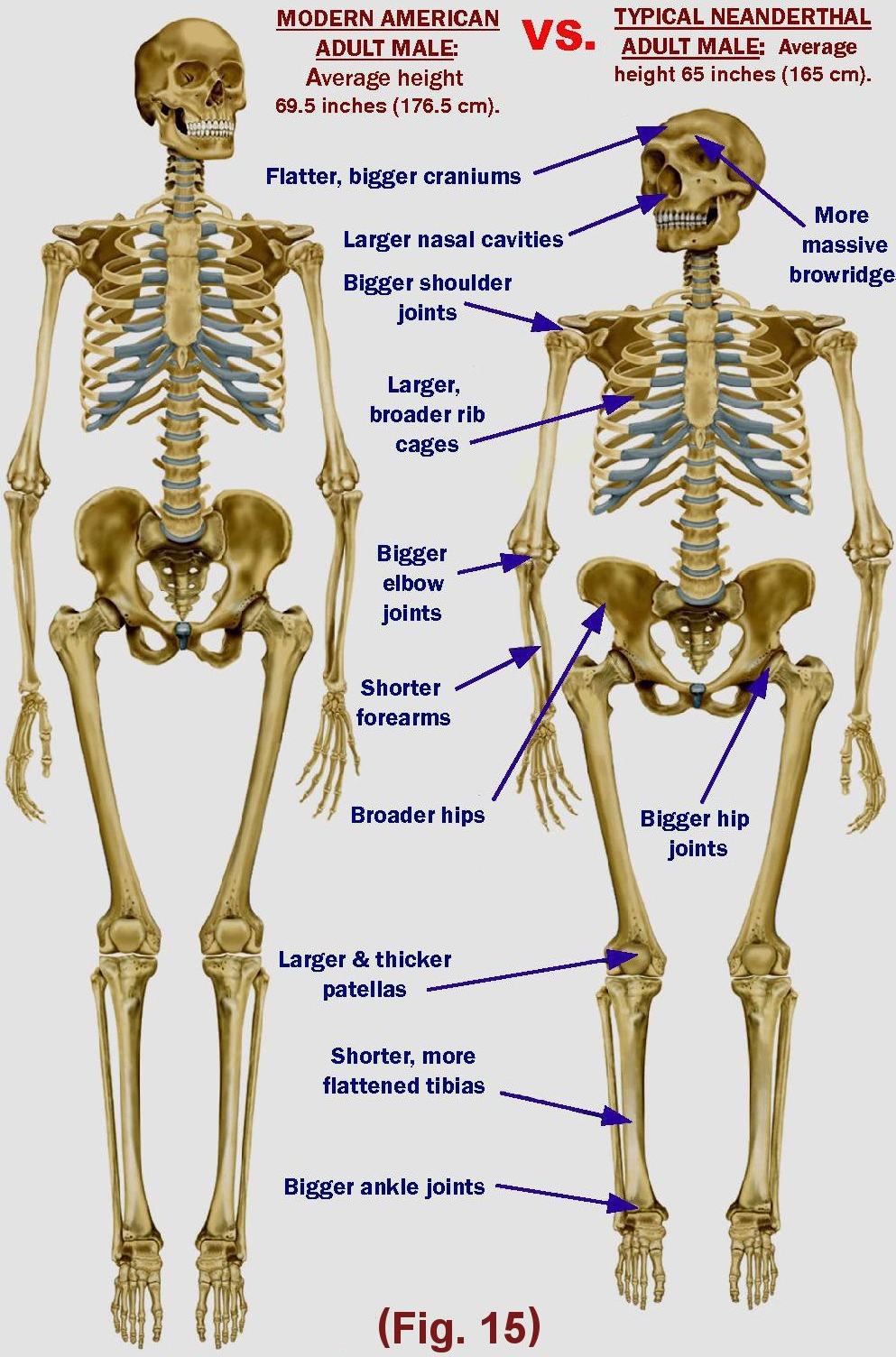
Musculo-tendinous attachments form markings on bones reflecting the level of stress muscles exerted throughout an individual’s life. Analyses consistently conclude that Neandertal attachments indicate a strength, pound for pound, comparable to chimpanzees, with 1.3 to 2 times the upper-body strength of modern humans.
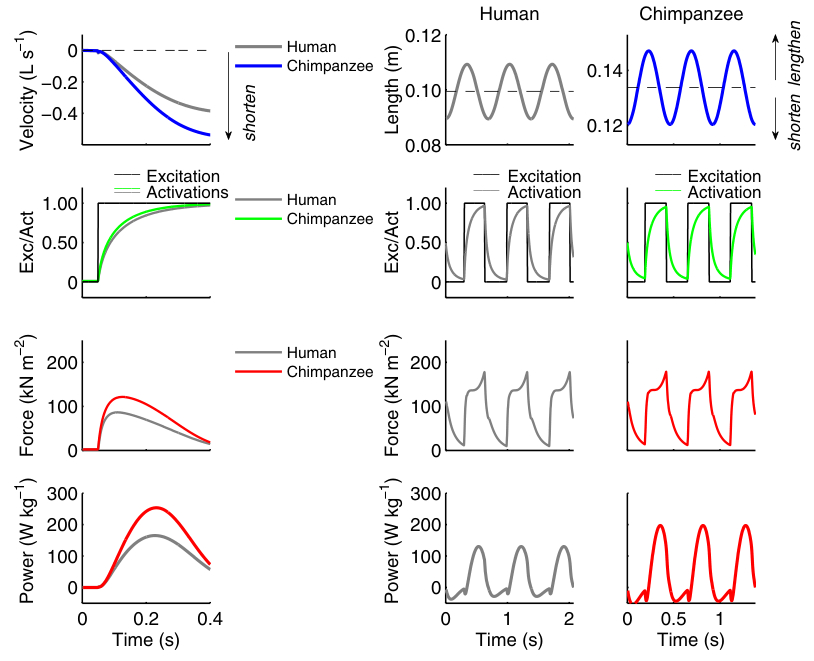
Men and women were equally robust — so much so that for decades we could not tell them apart without pelvic bones. Their women would have outmatched the strongest of our MMA fighters at half their weight, while men would have thrown those fighters around like rag dolls. The reason for this difference in specific strength in apes is not fully clear, with explanations usually revolving around anatomical advantage, longer and larger muscle fibres, and a different ratio of fast- to slow-twitch fibre types. But none of these make sense, alone or together.
Humans share with sloths the highest relative proportion of slow-twitch type I fibres of any mammal — yet sloth arms are still twice as strong as ours for the same mass, despite their reduced musculature and absence of explosive power requirements. The conclusion that Neanderthals must therefore have had explosive strength but poor endurance is based on nothing but prejudice.
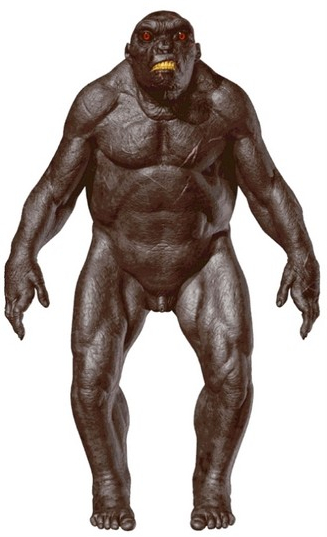
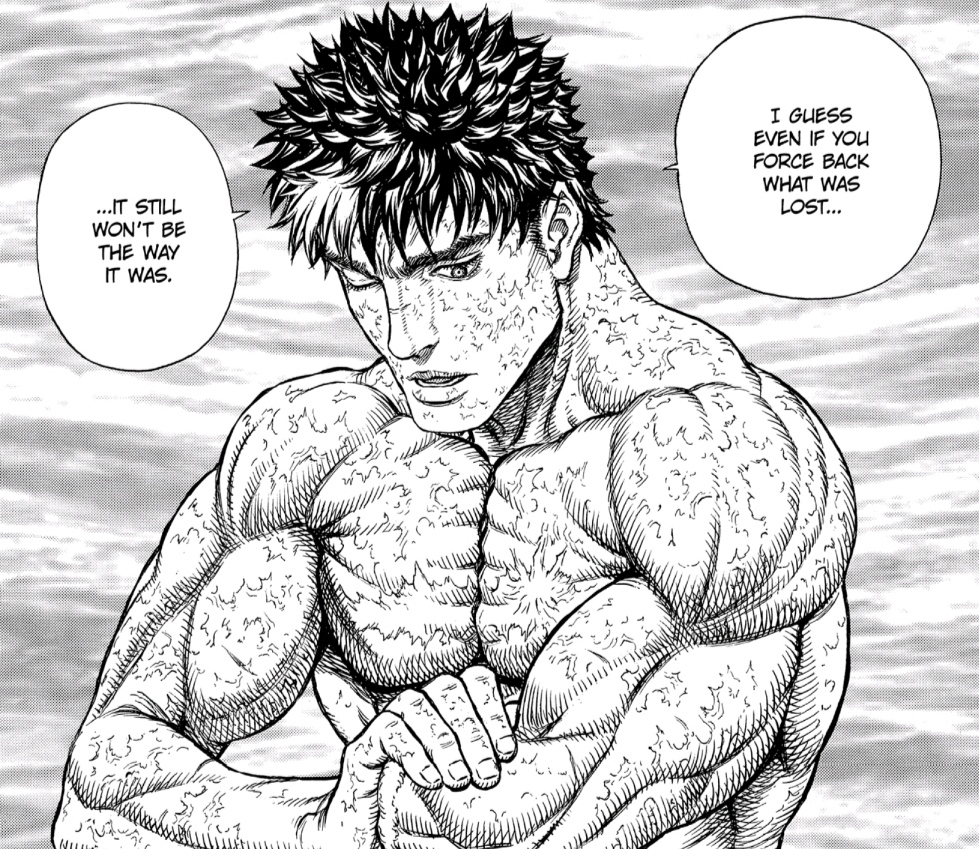
Not this
But this !
Nearly all studies comparing humans to animals follow an injunction to minimise and explain away human anomalies — our physical weakness, the abundance of female menstruation, the prevalence of cancers and mental illness. Our inability to consciously access more than 20 to 30% of our muscle power is explained by the brain leaving insufficient sugar for muscles; our weakness by a supposed trade of explosiveness for endurance. But chimpanzees do not tire easily — their arms sustain their body weight for extended periods while moving through trees. We certainly evolved to run more efficiently; that is all.
Despite their indubitable strength, wall paintings confirm their authors did not lack fine motor control. We may therefore have developed smaller fibres than chimpanzees allowing for selective activation and finer movement — but deducing a general loss of explosivity makes no sense, since the same force can be produced by recruiting many smaller units simultaneously. Cortical inhibition, logically, cannot be evolutionarily adaptive: there is no function in maintaining dead-weight muscle. We would keep precisely the muscle mass needed for our ecology, accessing 100% of our power on command and growing additional mass only exceptionally.
We explain cortical inhibition instead as an unconscious failsafe preventing us from using full strength and tearing muscles, sinews and tendons apart — something animals do not require, because their superior protein composition can handle it.
This, together with the greater mechanical advantage of longer muscular attachments, accounts well for the twofold increase in overall strength. To imagine a hulking, heavily muscled physique — as a BMI of 27 might suggest — has no justification. Thanks to a specific strength twice ours, twice the power passed through the same articulations with the same muscle mass. Their real BMI must have been closer to that of Bruce Lee, who weighed 65.9 kg of pure muscle at 173 cm — a BMI of no more than 22.5.
Studies show that thicker bones and much greater power cannot be explained entirely by lifestyle or training, since early modern humans showed comparable thinning. Their thinning, larger joints, brain size and women’s pelvises must all be effects of degeneration. Neandertals averaged 164 to 168 cm for men and 152 to 156 cm for women — which is the height children default to when fed raw food (excluding milk), regardless of family background, and the norm for most of human history both before and after agriculture.5
Where we partly disagree with Cuozzo is in the understanding of bone thickenings such as the supraorbital bulges. These are not structural compensations for mechanical constraints exerted by jaw muscles over time. Some Europeans still display absolutely Neandertal-like facial features — particularly in Scandinavia — despite standard ageing, and the largest tori by far come from Australian Aborigines. The trait is common to nearly all early hominins and has been genetically programmed for at least 46 million years (the divergence between Old World and New World primates). Animal studies proved the absenceof a mechanical function, and the composition of the torus supraorbitalis varies greatly between individuals — some dense, some hollow or spongy, famously becoming “almost paper-thin” in some Neanderthals.
Current growth-chart projections suggest that a human living to 400 years, free of the degenerative ageing we now experience, would converge on classical Neandertal skull morphology. The skull robusticity of less encephalized extant groups (Africans and Australian Aboriginals) is ancestral, inherited from apes; it is the weakness of modern populations that is apomorphic — the derived trait, not the ancestral one. Our features develop with time, but how far they do so is determined mostly by genetics, with no necessary implication for lifespan, metabolism or general ageing. Facial features result from genetically programmed rates of growth and thickening across a multitude of facial bones: one population will take centuries to arrive at a certain stage of development, while another runs through its lifecycle far faster.
Some races, like Pygmies and Bushmen, appear naturally more neotenic on a genetic level, without our particular history of degeneration. Our neoteny is accidental — the consequence of a long life cut short — since fossils show we changed while they did not. What cements this theory is the combination of the sheer impossibility of the mainstream account with a single parsimonious assumption — unconventional, even quietly supernatural — that accounts for the full assortment of European characteristics: very slow maturation plus the passage of a very long time. One explanatory principle removing the need for multiple incoherent ones conforms with Occam’s Razor.
Once we acknowledge extended lifespans, we must ask how this was possible, when it evolved, and when it devolved. We may first rule out this trait being ancestral to the small-brained apes that left Africa 2 million years ago. Africans show no sign of anatomical change across the past three hundred millennia indicating a continent-spanning dwindling of lifespan, nor do we see anomalies in fossil records for any hominid before classical Neandertals and related Asian species. This narrows the change to the last 800,000 years. European skulls began noticeably exceeding Africans around 430,000 years ago with the Sima de los Huesos population, showing early Neandertal traits — at roughly the same time African encephalization stopped.
The only comparable case among mammals of a related species evolving a considerably longer lifespan in relatively short time is the mole-rat, living 37 years against the mouse’s one to six, from a divergence of 30 to 40 million years ago — a genetic distance of about 15%, which is what separates us from pigs and cats. We, by contrast, are 99% identical to Africans and all previous Homo lineages of the last million years, sharing near-identical diet, climatic range, lifestyle, physiology and anatomy.
Outside mammals, a loosely analogous case occurs with the rockfish genus (Sebastes spp.), which originated around 15 million years ago with a long-lived ancestor (over 200 years), some lineages degenerating to a mere 11 years in under 1 million years.6 But they share little with our case: their physiology is simpler, their longevity evolved over a long natural timescale within a well-understood framework — cold deep waters slow metabolism and reduce predation, older fish grow larger and produce more eggs, accelerating the spread of longevity genes — while their degeneration followed population expansions into shallower warmer waters where predation eroded those genes by genetic drift before they could be expressed. In our case, we developed extended longevity almost overnight and lost it just as suddenly, without anything changing in our lifestyle except our diet — not through the lifting of purifying selective pressure, but through the addition of a massive new source of mutations via cooking. A sudden tenfold increase in longevity among populations 99% identical to their ancestors, sharing the same anatomy, diet and physiology, cannot come down to a few genes.
We can further rule out an explanation based on more efficient metabolism or better DNA repair mechanisms. How much energy is needed to sustain a given natural lifestyle depends mostly on physics. And since our bodies changed very minimally since apes, such a feat would be biologically impossible in the time available. The surprisingly uniform maximum lifespan of around 120 years across all races, regardless of purity or admixture, adds a further counter-argument: how unlikely is it for convergent evolution to reach the same ceiling three separate times, degenerate, and reconverge — presumably each at a different rate — only to land on an identical maximum? A shared ceiling implies shared organic constraints, which we take to be simply the biological maximum for the Homo genus. Our bodies did weaken from birth — possibly due to mutations in DNA repair genes — but the biochemical and physiological differences between any modern race and Neanderthals remain negligible.
Spontaneous mutations and genetic programming theories like disposable soma offer distinct but overlapping explanations for ageing. Despite their accumulation with age being well documented, recent empirical studies challenge the direct role of spontaneous mutations in ageing itself. Experiments in Drosophila reveal that most spontaneous mutations have consistent effects across a lifespan rather than escalating harm, and fail to drive the progressive cellular dysfunction typical of ageing; human DNA sequencing studies similarly find no clear link between somatic mutation burden and ageing phenotypes, suggesting other factors dominate.
It follows that genetic regulation of bioenergetics and stress responses are more central drivers, with ageing appearing actively regulated through conserved pathways controlling energy metabolism and cell proliferation. Cooking adds a further layer: it induces a much higher mutation rate than normal and causes a parallel, paradoxical kind of ageing stacking on top of natural processes.7
Mutation buildup alone might not be fatal even after centuries without cooking; research today points more to epigenetic dysregulation as the key driver — though animals extending life by slowing metabolism run into obvious ecological roadblocks, since in a wild a starving mouse living twice as long would be killed in a quarter the time.
We argue that this “epigenetic” health merely reflects the level of metapsychic entropy in the body, which a spiritual principle can directly address. Ageing may be shaped by both physical damage and a deeper organising principle — both our lifeforce and the body’s ability to maintain it. If so, current epigenetic anti-ageing methods will likely amount to little even if they worked as intended — as human trials unsurprisingly show only modest effects. Energy creates order as its very function; even if functionality could be restored locally through external means, metapsychic decay would cause cells and organs to revert to aged states or develop new dysregulations — much like the punishment of the Danaids.8 Neandertals had both an adequately robust body inherited from apes, and a much stronger soul.
Dental calculus from a number of individuals at El-Sidrón (47,300–50,600 BP) showed traces of aromatic substances produced during heating in various food sources. The researchers themselves state there is no definitive evidence, and that “the relative abundances of these combustion markers are entirely consistent with those found in wood smoke” — unsurprising for cave-dwelling people — and that “there were no diagnostic protein markers or steroidal compounds indicative of meat ingestion.” Yet throughout the article they cannot relinquish their preference for the cooking hypothesis.
One reason is their insistence on describing “starchy food” remains in the calculus, which they identify as probable seeds — an analogue, in their minds, to cereals — even though the category includes all kinds of edible seeds, sweet potatoes and beans. Since researchers themselves can no longer eat such foods raw in any appreciable quantity, shaped as they are by their own cooked diet, this article and several subsequent ones treat cooking as established fact. In other instances, charred food remains found on site are fully consistent with simply dumping food scraps into a fire to feed it. All in all there is no evidence contradicting a non-adaptive, accidental irruption of cooking into our lifestyle, with the consequences we know.
But rather than cereals the prevailing view holds that Neandertals were hypercarnivores — that they spent their time hunting extraordinarily dangerous megafauna to consume more meat relative to their weight than hyenas, which themselves eat nothing else — despite traces of fruits, plants and seafood found in Palaeolithic assemblages. This view derives from isotopic analyses of zinc and nitrogen, in which heavier isotopes preferentially accumulate across trophic chains: the more protein an animal has processed, the richer in heavy isotopes its tissues become.
Determining trophic position from δ15N has been challenged on the grounds of its correlation with multiple factors, in particular body size and development rates, suggesting longevity-related life history parameters influence isotopic signatures independently of diet. In living people, isotopic ratio methods provably overestimate meat quantities. Studies at the molecular level show enrichment in heavy isotopes for older proteins, consistent with metabolic processing over time.
Slower development rates favour heavier isotope accumulation through longer metabolic discrimination and fractionation processes. Species with identical diets and metabolic rates but longer lifespans exhibit higher δ15N values due to cumulative isotopic fractionation during protein metabolism and nitrogen cycling. In catabolic reactions lighter nitrogen-14 is preferentially excreted while heavier nitrogen-15 accumulates progressively — a kinetic isotope effect. Invertebrate studies confirm that slower growth causes slower isotopic turnover and thereby greater cumulative heavy isotope enrichment. Lower catabolic rates of amino acids and lower oxidative rates lead to heavier isotope accumulation in tissues, and longer-lived proteins show isotopic profiles skewed toward higher isotopes even under controlled diet.
Surprisingly, the relationship between longevity and heavy isotope abundance may run both ways: studies in yeasts show ageing expressed as a decline in heavier isotopes despite no morphological indication, while a diet enriched in them drastically increases lifespan — specifically, the number of times a cell can regenerate before dying. That isotopic profile may therefore be both a consequence of longevity, indicative of an adaptive cellular metabolism, and a mechanical cause of it.
Elevated δ15N values in Neanderthals can accordingly be understood as an intrinsic biomarker of longevity. Identifying diet in early hominins has been difficult due to diagenic loss of organic matter in collagens older than 200,000 years. But carbon and nitrogen isotopes bound to tooth enamel in fauna from an approximately 3.5-million-year-old site including Australopithecus fossils proved that hominid diet was still then mostly vegetarian — and meat did not cause brain expansion.
Isotopic ratio
Differences in Neandertals
δ15N
Higher than contemporaneous carnivores and other hominids: interpreted as top-level carnivory, possibly reliance on mammoths
δ13C
Similar or slightly higher than herbivores; matches terrestrial C3 plants and animals. Also interpreted as supporting terrestrial carnivory
δ66Zn
Lower relative to carnivores, interpreted as supporting higher trophic level and hypercarnivory
δ68Sr
Not informative for trophic level; confirms local origin and local dietary sources
The same analysis performed on hominids older than classical Neandertals (before 120,000 BP) and on so-called early modern humans in Europe yielded a consistently vegetarian profile, of the kind expected from any primate. The boundaries of the hypercarnivore signal correspond precisely to the likely moment Biblical lifespans became prevalent (roughly the Last Interglacial) and to when they ceased, with the arrival of modern humans. We do not think this is a coincidence.
Primates are overwhelmingly vegetarian, and no species abandons its evolutionary diet entirely without severe drawbacks — a reduced brain and curtailed activity in the case of the giant panda’s shift to bamboo, to take the most dramatic example. If snow monkeys maintain their dietary preferences in conditions comparable to Sweden (Hokkaido averages 10°C annually; Stockholm 8.8°C in 2022), climate alone cannot have forced Palaeolithic humans to abandon theirs. Fish as a primary protein source fits poorly, and only rotten meat approached the observed isotopic profiles — yet cannot explain why earlier hominids’ diets diverged so drastically or why the signal vanishes just as quickly with “modern” Homo Sapiens, despite preserved food item assortments not corroborating such a change in lifestyle.
So if the isotopic signal cannot be attributed to diet, it must reflect something else that distinguishes Neandertals from every population before and after them.
Our conjecture rests on three certainties: first, profiles conform with primate expectations both before and after the Neandertal period, ruling out diagenic explanations; second, it is not possible that their diet was so different, systematically and consistently across eighty millennia from England to the Middle East, when no population before or after ever approached it; third, they lived very long, and the measurements correspond precisely to the confirmed end of that longevity with modern humans, and its likely beginning with large-brained Neandertals around the Last Interglacial at 120,000 BC. Given this correlation, and the logical, ecological, behavioural and metabolic impossibility of systematic hypercarnivory outstripping even obligate carnivores like hyenas, our theory is more likely. If confirmed, tracking that hypercarnivore signal provides a means to determine whether a given specimen had an extended lifespan — particularly for non-European fossils from Africa and Asia, where the morphological and dental evidence Cuozzo relied upon is absent or incomplete.
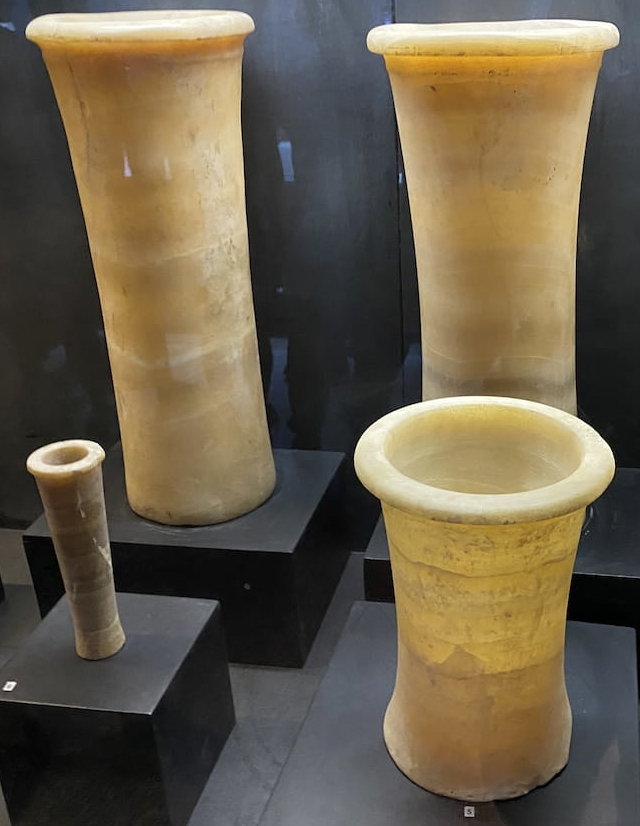
Fossils are not the only evidence of more evolved cultures before recorded history. They left constructions remarkable for their size and precision — in the hardest of stones — as well as other out-of-place artefacts: buildings, dams, aqueducts, mine shafts, and geo-engineered areas. Some, like the Yangshan monument, appear scooped from a hillside as if by a wire cutter of impossible scale. The similarities found across every inhabited continent, combined with our inability today to replicate many of these achievements without extreme cost or difficulty, point to a single global civilization — or related cycle of civilizations — spanning from the Equator to Crimea, Greece, Egypt, Ethiopia, the Arabian Peninsula, India, China and Japan, in possession of technology surpassing any historical culture, including our own.
Despite a mainstream archaeology that responds to any contradiction of its consensus with misrepresentation and dishonesty, the material evidence cannot be denied. Numerous sites worldwide display clear horizontal precise parallel marks characteristic of excavation machinery and impossible to produce by hand, implying tools at least equivalent to modern diamond drills.
The Kailasa temple in India, hewn from basalt harder than granite in a supposed 18 years, requiring the removal of 200,000 to 500,000 tons of rock — none of which has been found on site.
The three Pyramids of Giza, whose mortar samples confirm they predate their attributed Fourth Dynasty construction by centuries, and which contain more stone blocks than all other dynasties combined — at a time when royal tombs were made of crude mudbrick.
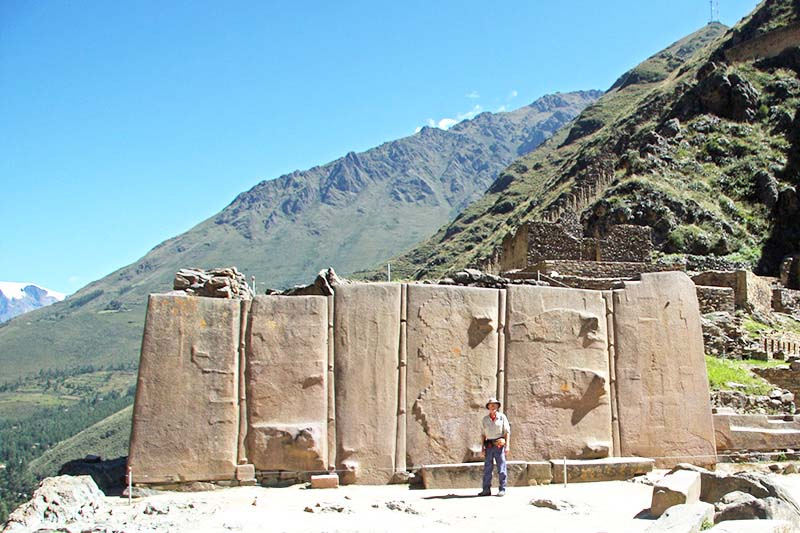
Megalithic walls worldwide, built with seamless dry joints, complex interlocking angles and a microscopic precision impossible to replicate today, let alone with primitive tools.
The history of this meta-civilization is debated; the timing of its collapse less so. Evaluating sites in sequence reveals a gradual diminution in technical mastery, culminating in the effective disappearance of their global presence at the Younger Dryas Boundary approximately 12,000 years ago.
Mainstream archaeology’s objections to a high-technology prehistoric civilization reduce to three claims: that an advanced civilization requires agriculture, yet genetics show no cultivated plant species; that no cities of the kind — call them Atlantean or otherwise — have been found; and that technology at our level requires whole industries, metals and machines, none of which we find. None of these hold.
Agriculture as we know it is only necessary for populations relying on cereal culture and husbandry. Ecological alternatives such as food forest gardening could sustain sizable groups while leaving no genetic trace. Domesticated species left to their own devices can also lose the markers of cultivation over millennia. A population large enough to require concentrated food production would in any case have left far more abundant evidence — graveyards, middens, the accumulated debris of consumable goods. The near-absence of such remains suggests numbers too small to have needed it.
Advanced cities exist in abundance: predynastic Egypt, the rock-cut city of Petra, numerous Indian temples, and the megalithic structures of Peru and the Sacred Valley. Rather than displaying alien characteristics at odds with all historical styles, these sites appear to be the origin points of techniques later inherited and imitated by historical cultures. What sets them apart is precision and scale impossible for Bronze Age builders.
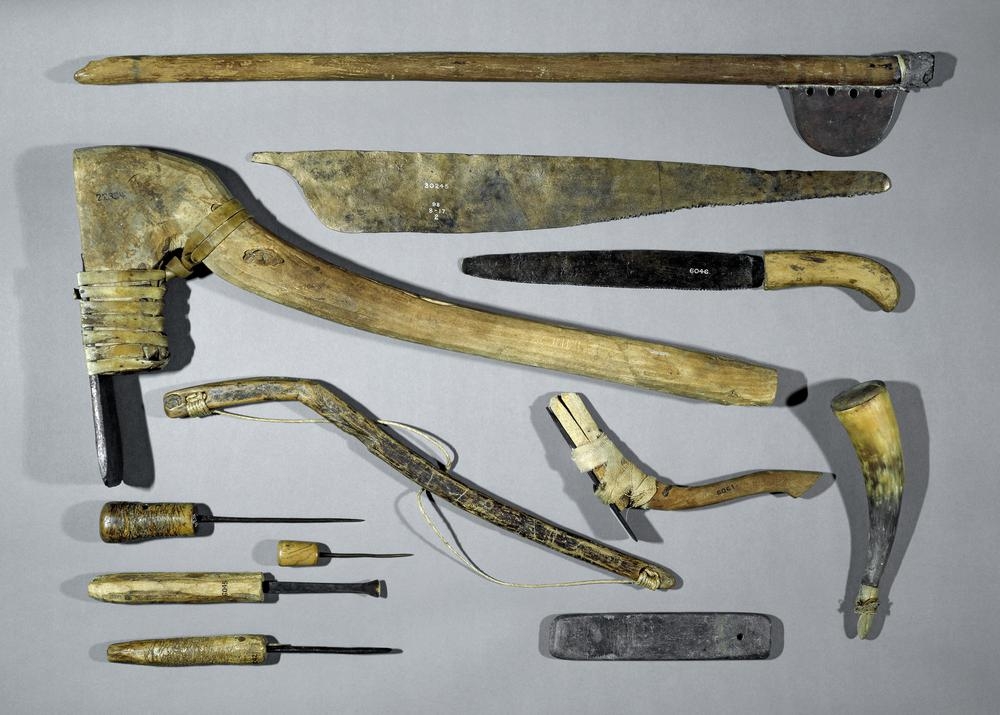
Primitive Egyptian tools
Great Pyramid blocks
Mudbrick houses
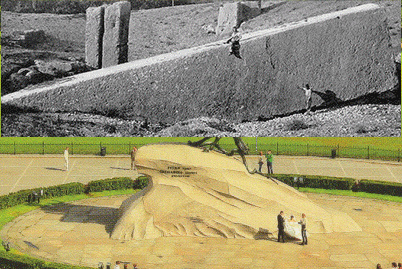
As for machines: non-mechanical methods do not scale. Rome demonstrated, repeatedly, the near-impossibility of moving single pieces beyond 300 tons — past a certain mass the ground caves in, ropes and timber snap, and no quantity of manpower resolves the problem. The crude copper tools and stone balls officially attributed to the builders of these sites only deepen the impossibility. No copper, bronze or iron residue is found on or near the blocks, as sustained tool use would require. Cutting basalt at the dimensions involved demanded a saw of at least 8 metres in diameter and no less than 4mm in thickness. The Baalbek monoliths — the largest worked stones on Earth — are simply unaccountable by any non-mechanical means, regardless of time or available labour. Machines, then, must have existed.
If machines were few — because constructions were infrequent and populations small — there is no reason to expect any to survive tens of thousands of years. Inheritors could neither operate, maintain, nor understand them. Metal rusts; any usable piece would be hoarded, smelted or repurposed, as has always been done, in the manner of modern cargo cults. Only a fraction of the Sahara or of coastal seafloors has been explored in any case. What has already surfaced — such as the Egyptian gypsum disk bearing a resemblance to a gear — may be only the beginning.
The stones themselves compound the case. The microstructure of the Great Pyramid’s limestone blocks — air bubbles, organic inclusions, parallel magnetic alignment — points to a manufactured rather than quarried origin, consistent with geopolymer casting. Yet this does not eliminate the need for machinery: hundreds of tunnels with right angles and vertical shafts cut into bedrock remain, as do quarry surfaces bearing marks identical to those of modern rotary drum cutters, including at the two unfinished obelisks of Aswan (estimated at 1,100 and 1,500 tons, in solid granite). Stone boxes additionally display the running veins of distinct minerals — impossible in cast or reconstituted material. The presence of deep overcuts confirms the stone was worked in solid state. Taken together, the evidence indicates both manufactured stones and power tools — a physical mastery ahead of our own in every respect. Add to this the geometric precision maintained across multi-ton statues and duplicated dozens of times: a feat requiring, at minimum, something with the computational capability of a modern computer.
What is truly inconceivable is not the loss of high technology under catastrophic circumstances, but the failure to rebuild it within a single millennium. What distinguishes modern science — born only in the last 200 years — from all prior accumulation of knowledge is a systematic, mathematical understanding of the underpinnings of matter. The precision of the pyramids could not have emerged from craft skill alone; it required measurement instruments and a grasp of materials physics far beyond anything documented before the 19th century.
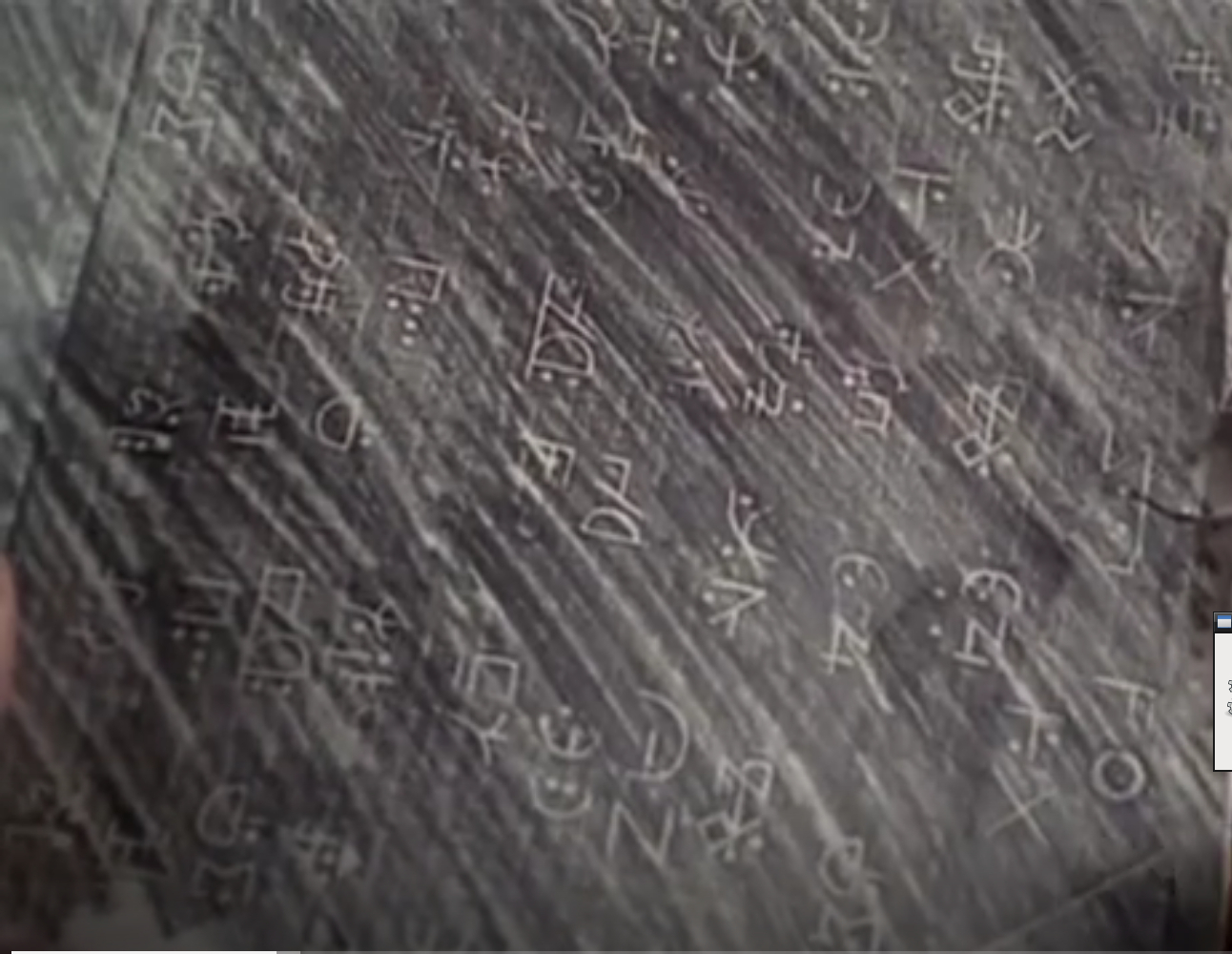
Comparison between megalithic constructions and mismatched writings
Yet several features of these remains actively contradict the hypothesis of a standard high-technology civilization:
The scale and apparent mundanity of the constructions rule out knowledge sequestered by a priestly or industrial elite. Whatever produced these things did not seem to require extraordinary effort from the society involved.
The most technically impressive constructions appear to be the oldest, with sophistication decreasing over time — the inverse of what any standard model of technological development would predict. A normal science-based civilization leaves a visible progress curve with an exponential inflexion point; we find the opposite.
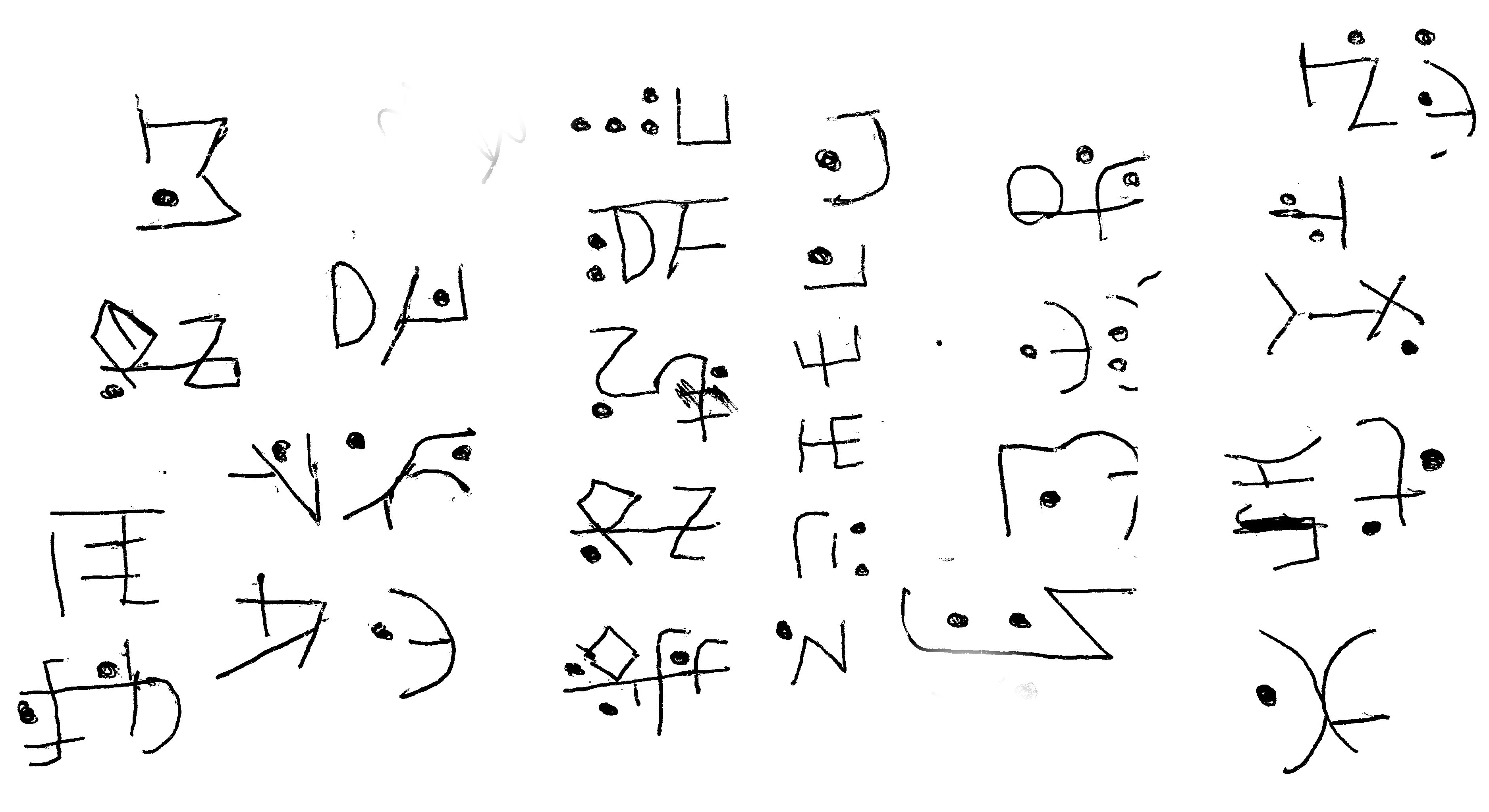
The overwhelming majority of technologically anomalous artefacts bear no inscriptions, and the few that do are clearly mismatched in sophistication, suggesting later addition by unrelated hands.
There is no ecological footprint. Coal burning, artificial compounds, and the residues of large-scale ore processing all persist in the geological record. The notion that a fuel-burning industrial civilization’s traces could vanish entirely in 10,000 years is not credible.
Electronic computers, and the machinery required to produce them, presuppose an entire science of matter impossible to reach without systematic empirical study — a process that always leaves abundant written and material evidence of its intermediate stages. We find none.
Destroying not merely technology but science itself — so thoroughly as to erase it from all subsequent cultures — would require the near-total elimination of the population in a single event. Yet even millions of survivors retain working knowledge sufficient to restart; reverse engineering accelerates the process enormously. And a globally distributed civilization would not be extinguished by any single regional catastrophe.
The only framework that accounts for all of these contradictions simultaneously is one researchers are reluctant to conceive at all:
The evidence points not toward a standard technological civilization but toward one grounded in magic — not the parlor-trick variety, not mere psychic sensitivity, but something of an entirely different scale, strong enough or common enough to power a whole industry and obviate the need for most of the intermediary industrial milestones our civilization has required to achieve the same feats of engineering, as well as the unmistakable footprints they would leave.
This is not a comfortable position, and most researchers prefer acknowledged inconsistency to stating it plainly. But it resolves the paradox completely. Tools and machines obtained through magical means rather than through the systematic scientific method leave no industry to salvage, no manuals to recover, no intermediate stages of development to find. Knowledge acquired through direct visionary or magical perception bypasses trial and error entirely; intellectual understanding becomes redundant. A small population in command of such powers could match the material output of a large industrial society while maintaining an essentially naturalistic way of life — no consumable goods, no waste streams, no infrastructure requiring maintenance. The same faculty that moved hundred-ton blocks could yield a working geopolymer recipe drawn from local plants and minerals, with no knowledge of physical chemistry required.
The resulting culture would display precisely the characteristics we observe: an apparently sudden emergence from nowhere; technology staggering in some respects and entirely indifferent to others; no logical progression between its achievements and those of its successors; and a scale implying ease rather than effort. What magic produces, intellect alone cannot maintain, copy, or even fully recognise for what it is.
Our reasoning inverts the standard archaeological assumption that simpler forms are older. In a civilization whose capabilities rested on magical mastery rather than accumulated knowledge, the opposite holds: the most technically demanding achievements — the biggest blocks, the finest tolerances — are the oldest. Logistics and planning improve with intellect and time; the raw material power required to move and place stones of 400 tons and above does not. The scale and frequency of such blocks is our primary marker of chronological precedence.
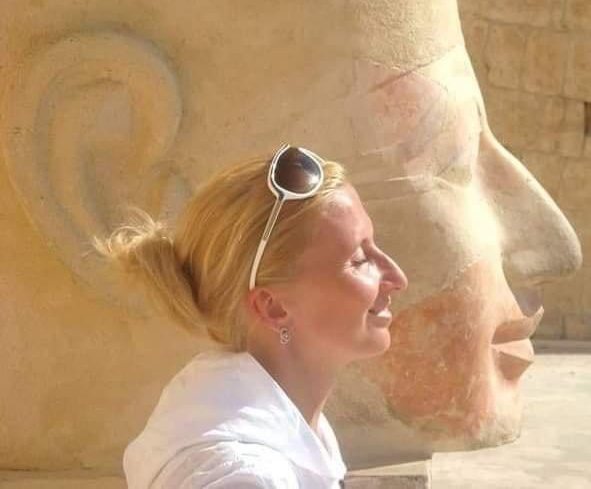
In Egypt, the largest statues (exceeding 1,000 tons) and the most accomplished polygonal walls — the global peak of cyclopean construction — depict figures in clothing. This is not a minor detail.
Egypt’s climate makes clothing a practical irrelevance; it could not have arisen there from cold or necessity. Its presence on the figures associated with the most ancient and technically superior remains signals something else entirely: modesty, revealing an ambivalent attitude regards to genitals.
Hence cloths, far from an aesthetic refinement, become the tell-tale mark of the corruption of instincts — the earliest external sign that they can no longer simply be trusted. This places this meta-civilization at a precise junction: no longer the purely natural, divine ancestors of a still earlier epoch who had no need of buildings, clothing or tools, and not yet the fully depowered agricultural societies that followed. This intermediate position, half-civilized and half-inspired, fits neatly with Egyptian and Sumerian records of mythical or divine kings extending back some 37,000 years.
Finally, the myth of the Flood does not record a single event but condenses the entirety of the Younger Dryas Boundary (c.12,900–11,700 BP): the meteorite impact on the Laurentide ice sheet, the airbursts that burned 9% of Earth’s surface biomass, and the catastrophic outburst floods that followed. Different traditions preserved different aspects — Plato kept the impact; others the floods or the fires — but each marks the end of a world.
By the time the catastrophe struck, the civilization had been in decline for generations, its magical inheritance spent. The isostatic rebound that submerged the Azorean continental shelf may have taken with it whatever remained of what Plato called Atlantis — but it was already a civilization in name only, one whose “human blood,” as Plato put it, had long overtaken the divine. With conventional knowledge in agriculture, masonry and basic chemistry still sufficient to dominate any primitive population, they chose instead to withdraw, seeding isolated cultural impulses that would eventually give rise to a new cycle — built on cereal agriculture, concentrated settlement, and the near-total absence of magic. That later cultures such as the Inca preserved fragments of this alchemical tradition is suggested by the otherwise inexplicable precision of some of their stonework alongside their simultaneous use of crude adobe brick.
The author of these pages believe the following ideas to be relevant to the mind and culture of Neanderthals, likely the closest to fully realized beings as there were on Earth.
One of if not the most important revolution to come, lies in language. When the extrasensory develops, it is inevitable that our way of communicating will undergo a profound shift in paradigm. I think it was the language of our ancestors too, as symbolized by the story of the Tower of Babel.
Ferdinand de Saussure, father of modern linguistics, defined language, written or oral, as a series of related symbols following a syntax and referring unequivocally (without ambiguity) and a biunivocal correspondence to a series of similarly related concepts. Sentences are understood by drawing on that unambiguous correspondence between a series of signs (whose smallest meaning-carrying units are morphemes, and phonemes in oral speeches), signifiers (their verbal meaning as I understand it) and signified (the reality behind). I learn language through conventional associations made during social interactions with parents, teachers, coworkers.
This makes up the two key postulates of modern linguistics: concepts as learnt patterns, and the arbitrariness of signs: I could all decide to call cats “dogs” and vice versa and be none the wiser for it. There is intrinsic semantic or metapĥysic association between labels I use, and what they describe, be it abstract or physical things.
However, Saussure was wrong in his key assumption, that the meaning of sentences is contained entirely in associations between words and what I see or hear born from habits. I should not look for exceptions in Onomatopoeia are no valid exceptions, because they are very few in number and so low in information content that they always rather form a separate paralinguistic set of vocalics, outside grammar. They can not handle most day-to-day concepts, let alone high philosophy, and all attempts to progressively build a system from a simple basis fall into conventionality.
Among pictograms or ideograms only very concrete symbols representing simple visual things rate high in either translucency or transparency (respectively, guessability of a symbol without context, and guessability within known context), while onomatopoeia in different countries sound nothing alike.
Machines can not derive even the most characteristics of an object from a succession of phonemes (/cat/) or video recordings. There is no logical way to tell apart good associations from erroneous ones purely from pattern-matching like a computer should do, no matter how large the data set. If it was possible, then mild misunderstandings and minor impairments in our senses absolutely should create entirely alien languages and concepts9. But they do not. Never. Children with sensory deficiencies (as opposed to mental deficiencies) do not suffer lasting development issues.
No, the proof that language can not be reduced to an algorithmic process however complex can be found in research on language acquisition, whether by machines or blind children.
The acquisition of language in blind children indicates that the acquisition of language (learning through exposure with no prior frame of reference) is inherently non-deterministic, non-algorithmic. It is not possible to learn it from the environment only, instead I all rely on inborn biases to make sense of our physical senses, but above all it happens irrespective of their limitations… which means those biases can operate even without relevant data. Small delays in development fade as soon as children develop further their cognitive faculties, as it alone filled the lack of experience, to the point of grasping colors in roughly the same time as normal children, a concept the sense of touch can not possibly provide them10.
The learning procedure appears “significantly modulated and constrained by the child’s natural (innate) biases about the content and form of a natural language”: specialists conclude that I come to life with an innate understanding of semantic relationships curtailing the infinite field of concepts the mind could intuit from sensory inputs.
For all intent and purpose, languages are not a human invention. The criteria I use to separate humans from other animals have changed with times: that languages are acquired, not innate, a complex grammar (rules that create meaning from assembling in order smaller words), specific grammar property, mostly self-embedding (the ability to insert sentences into larger ones, ad libitum). But not only not all human languages check all those boxes (see the Pirahã lacking recursion), accumulated findings in the whole animal world showed that not a single of these traits, isolated or taken together, is unique to humans.
It shattered our century-long preconceptions about linguistics:
Very complex systems in social animals arise regardless of brain size (but unrelated to brain-body mass ratio or more likely, neuron-number to body mass ratio), in higher vertebrates, birds and insects alike
They seem both under control both by genes in a simple manner, and by the environment, discarding the old acquired versus innate dichotomy.
Whether the same bee colony could perceive the need to change their dance patterns in a new environment and do it in a few generations is unknown, but individual bee, but they can quickly learn each other’s dialect. In some cases I know the brain responsible for learning new languages and some species are better at it (can say more) than others.
Species can even learn to understand each other across whole taxonomic families (as seen with ants and bees or orcas and dolphins, if biology provides common sensory ground, common interests and what amounts to hardwired “good will”.
The acquired and open-ended character is evident, since dialects are both formed and learnt, even in insects.
Arbitrary recursion or self-embedding in found in birds or cetaceans.
The communication capacity of a species depends both on its cognitive abilities (how much it can think) and ecological needs (strictly solitary or worse, cannibalistic species do not collaborate). Even insects show the existence of a species-specific, inter-intelligible core grammar or set of signals, which can be expanded upon. But the differences with humans is that these dialects always reflect actual differences in perception, either from a different environment or a different brain: they involve no arbitrariness11.
Contrary to children, speech recognition software has the phonetics and syntax of particular languages backed into their programming, while children must learn on their own how to tell words apart and what they mean, deriving from mere exposure both phonetics, syntax, grammar and meaning. In theory, the range of non-visual cues alone needed to construct logical or temporal relations, exceeds by a dozen of orders of magnitude the complexity of computers. A need children appear to bypass, as they learn to grasp notions far removed from any sense of evolutionary habituation or pre-understanding, or of non-visual concepts from non-visual cues only: the information just would not exist.
So, if understanding language from scratch, in particular through sound (lacking the intuitive demarcation of written words or at the very least symbols can offer) can not be done through any algorithmic process, it must then be a metapsychic matter.
In all animals capable of a measure of language or symbolic representation, there is a psychic sense of the world, without which one can not connect the world of senses with that of concepts, or acquire new ones. Through all of history inspired people left discourses that transcended time and culture, speaking directly to the heart, imparting a much greater understanding and with much greater ease than mere textual or logical consistency could ever do.
The same applies for whole cultures. Better people spiritually, produce objectively better grammar and vocabulary marked with a higher metaphysical insight. Straying away from this in the long run creates excessively intellectual cultures and/or empty, emotionality without substance. Communication degrades to the level of a mindless Chinese room or LLMs. In these conditions entropy is the natural “evolution” of all systems of communication, natural12 or artificial, as successive generations understand less and less the lives and values of previous ones. A stream of inspiration often presides at first, before the author runs out of creativity and formal intellectuality takes over. Or different persons might, at odds with or incapable to grasp the original author’s intent, leading to degeneration of the system.
Abstract concepts, let alone glyphs, must be either conventional… or originating in visions. Because archetypal symbols are both the lock and the key, the cipher and the code, just like the genetic code encodes in itself the rules to read it. It is possible that the limited syntax and grammar as I know it, might be a paradox, an effort by our intellect to replace visions with a conventional structure hampering our range of expression and thought patterns. This idea of a primeval language of a time when men walked with gods pervades our culture since before Christianity. There were various attempts to recreate it by artists, occultists, scientists and philosophers13.
I believe that the human language should be no exception, just enormously more complex than animal languages (with the exception of cetacean communication). Evolution and the richness of language should be based purely on actual change in our thoughts, either from living in environments, or race-based differences in our brain and how or how we perceive things.
It stands to reason this volatility and multiplicity of today’s languages to the point of unintelligibility derives from the loss of extrasensory and rise in endogenous excitation, compounded by the generational gap and shortening of lifespan, all ultimately started and driven to this moment by cooking. In our original state, visions would bridge the gap between word and and things of the phenomena world, and guarantee mutual understanding world-wide. Our propension for symbolic manipulation was never meant to degenerate into this juggling with empty and inadequate labels: Children ought to grow up learning how to speak either from his relatives, or from spirits of the air or whatever other form visions ought to take14.
Daniel Belrichard, at 18 years, between 1979 and 1980, one of Mr Burger’s lovers at the same of the Trois Noyers in Switzerland (a community before much of the theoretical development of meta psychoanalysis had taken place), received a series of complex and detailed symbols totalling in the low hundreds, with no resemblance to any historical or artificial language, and only stopping due to incoming unfortunate events.
Closest approximation
Biogenesis (X-files ep.22)
Poneglyphs (One Piece)
All signs, of various complexity, made us only of curved and straight lines and dots or circles. As dishonest a tale as it may sound, the notebook that housed those visions was lost in adversarial circumstances. But what God gives, He can give again, so I shall not mourn this loss. I found the closest graphical equivalent not in real life scripts, but in a few very inspired TV series and Japanese animes. While no concept nor syllable or word appeared to come along these symbols, their expected numbers would match a composable ideogrammatic system in which less naturalistic (more abstract) concepts can be composed. If not for those adverse circumstances I might have received something close to a rébus system, an extreme minority among writing systems, bypassing reference to orality altogether along with its syntactic constraints.
It may also have in common with the free syntax of Aymara and Lojban, the first a language famously capable to accommodate any foreign idiom or word through metaphors in a very natural and concise way, while keeping its own structure intact, and the second an artificial language made exactly to reflect that property and be as idiomatically and culturally neutral as possible, as well as covering the whole range of logical categories a century of linguistics has catalogued. A visionary language or rather system of communication, would espouse seamlessly any coherent thought pattern in a minimum of words15.
Thanks to their more advanced brain and the unfettered access to energy, to us the inescapable conclusion is that pre-cooking Europeans once lived as gods, on par if not above most wizards of fiction.
Our whole instructivist approach is predicated on considering that anything even a single one of us can do now, if dutifully attested, men could do then, much better and/or more frequently. In nature animal psychology stems directly from genetic programming, neatly adapted to its natural environment and bodily constitution (which includes the brain’s structures) for millions of years. Under a natural diet, humans should be no different: they should obey their innate programming: this justifies looking at the best and brightest of our race as not at the ceiling, but a hint at the potential all descendants of advanced humans share.
Regards to lower races (Africans and related species), not enough has been confirmed by credible witnesses, let alone statistical tests, to support the potential for more than limited Psi abilities in Africans, a notion congruent with their utter lack of imagination, low IQ and the fact “Homo Sapiens” did not change anatomically since the first apparition of the species in the fossil record 300 000 years ago, according to mainstream scientists.
In the short time the rawfood and metapsychoanalytic experience lasted, we were fortunate enough to observe that if awakened soon enough in a child, visions fuse with the normal sensory fields and functions constantly without conscious prompt, slamming wide open “the doors of perception” as per the wish of Aldous Huxley, but completely naturally.
If we sum up all the metapsychic disciplines that have gained a level of credibility through the years, we were nothing short of demi-gods. A level of telekinesis in the single to dozens or hundreds of tons was real and widely available too, as evidenced by the capacity of antediluvian cultures to routinely move monoliths in excess of a thousand tons strictly impossible to move before recently.
Because those builders appeared to were both in small numbers and well degenerated already, it must have been all the easier for our original ancestors. This, levitation to any degree let alone outright flight, and the capacity to invoke but a fraction of the heat needed to vaporize a human body, inevitably removed the notion of physical or geographic barriers or accidents, or climatic difficulties. The entire world was our care for, play with and live in almost any environment we saw fit.
A different class of phenomena concerns the physical manipulation of matter at scale. The capacity of ancient cultures to move and position monoliths exceeding a thousand tons — well beyond what any documented ancient technology could plausibly achieve — has been cited as circumstantial evidence for large-scale psychokinetic ability. If the builders responsible were, as the archaeological record sometimes suggests, relatively small groups, the engineering problem becomes harder still to explain by conventional means. That such capacity has apparently diminished over time is consistent with a broader pattern of regression in human facultes.
If levitation to any degree, large-scale telekinesis, and substantial metabolic control were once available, they would have effectively removed the notion of physical, geographic, or climatic barriers. The entire world would have been navigable and habitable on entirely different terms than those we know.
The obvious question is what remains after repression, war, misunderstandings, hate or neurosis cease. The answer, I believe, is more, not less. We are so used to defining ourselves negatively through the fight against the imperfections of people and society, all brought for by human beings, we think so much as “good” as opposed to “evil”, that we came to see utopia as bland, unappealing.
We are so culturally conditioned to think of heaven as a respite awarding the good souls that raged against injustice, that we justify to ourselves evil as some kind of cosmically ordained challenge meant to give meaning to our lives.
But what if all discourse was only long-standing cultural justification for a wholly unnatural state of existence ? What if suffering and pain, or most of what we conceive of them anyway, were never part of God’s plan for our lives ?
What is left to experience when all known factors disturbing perfect happiness evaporate ? Can we be fully human without knowing the full range of human feelings, grief, the pain of anger and loss ? Do we not learn to better ourselves by overcoming so-called negativity ? All animals naturally still experience some of that, especially when they are not apex predators. Predation constantly pushes species to better themselves, to refine their bodies and minds.
Based on the split between great apes and other primates, we can estimate the relative end of predation to about 10 million years ago, with the first late Miocene apes whose brain size approached that of chimpanzees. If we accept the maximalist hypothesis that the vast majority of all causes of death in cetaceans, elephants and apes, which is to say all sapient species (cephalopodes and birds excepted), then this life of peace we are contemplating has been the shared inheritance of many if not most intelligent species for tens of millions of years, maybe much longer in the ocean. Do bonobos, gorillas and orcas or sperm whales find their life boring ?
By any sense of the word, late Pleistocene Neandertals were gods. Even the smallest procognitive sense very easily attainable with correct food today, suffices to prevent any meaningless, destiny-impeding accidents. Yet the sense of loss would perdure. Not being able to touch anymore, to evolve with someone. Pain in all forms used to act as a positive, transformative experience, deepening our connection with the natural world, the love of others and the spirits within or without.
What love stories or epics unfold under the unchanging sun of our original nature, we may not be able to fathom now. But wherever that leads us, next generations deserve not to burden herself anymore with artificial constraints. Heaven was never the reward of righteous soul weary of earthly strife. No. Heaven on Earth has always been the true nature of this material plane, our birthright and place of origin.
Without the unnatural blemishes we inflected on it, the world of old, however difficult to imagine, was much richer emotionally than the poor excuse of an existence left today. Emotions blooming within our chest were allowed to reach their full natural fruition.
If you can’t take a little bloody nose, maybe you ought to go back home and crawl under your bed. It’s not safe out here. It’s wondrous, with treasures to satiate desires both subtle and gross. But it’s not for the timid.
Q
In a world where nothing bad would ever happen, no true accident, no wanton murder or destruction, no war or Jewish plot to breed us out of existence, there could be no better motive for magic and no better way to further the collective destiny than to enhance consciousness by seeing more, hearing more, touching more of the world’s infinite beauty.
After each deglaciation, plant biodiversity in Europe suffered more than on other continents, constrained by mountain ranges that blocked species from retreating to and returning from climatic refugia. The last deglaciation, ten thousand years ago, was unusually damaging — not only because of the abruptness of the Younger Dryas warming, but because it occurred after the disappearance of evolved Neanderthals. As techniques improved, we are likely to uncover the extinction of a number of plant species, along with animal ones.
Our ancestors filled a specific ecological function: the conscious management of ecosystem recovery after glaciation. Beings who were effectively immortal, possessed of total recall, and capable of perceiving the state of the land across vast distances would have found continental-scale reforestation not merely possible but obvious — a natural expression of the care and intelligence that defined them. For such beings, it would have been difficult not to do it.
The intervention leaves no detectable trace. Time erases patterns of deliberate planting as thoroughly as it erases everything else. But the logic is straightforward: every mammal disperses seeds; humans alone do so with intention and planning, capable of selecting species, timing, and location across an entire hemisphere. Megafauna already reshapes ecosystems disproportionately to its numbers — add intelligence, and then the metapsychic capacities documented throughout this text, and the ceiling disappears entirely.
Sane humans, by their nature, maximize the diversity and intelligence of the life around them. In Ice Age Europe, where the ecological stakes were particularly high and the margin for error thin, this was not incidental. It may have been central, the factor allowing the continent’s unique ecological wealth to survive at all despite our geography. Only the future will tell.
In this chapter, we explain in layman terms—or else introduce the necessary notions—the elements of science which makes possible undoing the degeneration accumulated through millenia of cooking and dysgenic mating choices.
The current neo-darwinian synthesis is the scientific foundation behind both the materialism prevalent in our global civilization, and incidentally the global Jewish agenda to promote mass immigration and race mixing. Obviously, we must by any means necessary stop any further mixing with polluted bloodlines.
Beyond stopping this onslaught on genetic quality, it remains a legitimate question to ask, whether or not we even go back in time and return to what we were before anatomically and genetically before cooking. I believe we can, as the most important attribute, brain size, still remains in sizeable Nordic populations in its pre-cooking state.
Our ultimate purpose is nothing less than to return our species to what it was before cooking. Return it to godhood. I believe there is nothing impossible given a few centuries of selective breeding, advanced technology and the limitless inspiration our European race has been endowed with.
We can not wind back the pendulum. But we can spin it forward past midnight with our own hands.
Early evolutionary thought was pioneered by the French naturalist Jean-Baptiste Lamarck […] in 1809 […]. Lamarck proposed an evolutionary theory based on two forces: a complexifying force that drives evolutionary progress from simple to complex forms, and an adaptive force that suggests environmental effects on traits can be inherited across generations.
Charles Darwin and Alfred Wallace independently conceived the idea of natural selection, presenting their joint papers to the Linnean Society of London in 1858. Similar concepts were also independently developed.
Central to this theory are the concepts of common descent and natural selection as a mechanism to filter variations.
Among these five individuals, Blyth believed that the role of natural selection was very limited, merely maintaining the basic status quo of species, eliminating individuals that were not adapted, and ensuring the long-term stable existence of species.
Based on theoretical advancements in the past two decades, Blyth’s understanding of natural selection appears to be more in line with reality.
We embrace this broad conclusion. However, modern biology together with the emerging theory of viruses now allow us to fill out the picture in far greater detail — finally constructing the thorough account of heredity needed to take the reins of our own evolution.
To do so, we must first correct a widespread misconception about Darwin himself. Darwin explicitly and consistently endorsed the inheritance of acquired characteristics throughout his career, placing him closer to Lamarck than the textbook contrast between them suggests. His theory of pangenesis — in which small particles called gemmules carried physiological influences from somatic cells back to the germ cells — was a direct attempt to explain how the body’s experience of the environment could be transmitted to offspring. This framework anticipated, in conceptual if not molecular terms, the later discovery of exosomes and retroviruses, and did so before any notion of mutation or nucleic acids existed.16
The actual dispute was therefore never about natural selection per se, but about the origin of heritable variation. Darwin held that variation was not generated randomly from within, but arose through the organism’s directed response to environmental pressures — what we would now recognize as a feedback system between soma and germline. This view was displaced only at the turn of the 20th century, not through decisive experimental refutation, but largely through the theoretical assertions of August Weismann and Francis Galton, who argued that the germline was insulated from somatic influence. The “modern neo-Darwinian synthesis” was built on this premise, pairing random mutation — further diluted by the neutral theory’s claim that most molecular evolution is non-adaptive — with natural selection as the sole creative force in evolution.
Around 1900, the “laws of Mendel” codified the basic framework of heredity still taught today. They include the law of dominance and uniformity, the law of segregation, and the law of independent assortment. Trait distribution occurs primarily during gamete formation: the 46 human chromosomes form 23 pairs, and during meiosis homologous chromosomes bond, segregate, and migrate to opposite poles, generating gametes with half the chromosome count until fertilisation restores the pairs. During bonding, crossing-overs reshuffle matching sequences, making each resulting gamete a unique combination.
Yet none of the three laws survived contact with molecular biology. Single-gene determinism proved exceptional: most traits are multigenic, and many genes are pleiotropic. The dominant/recessive dichotomy gave way to the study of epistasis and QTL analysis. Early researchers, working with simple model systems, mistook the limits of their tools for the limits of nature — and the framework they bequeathed has never been fully corrected.
Textbooks today describe four evolutionary forces: random mutations, natural selection, genetic drift, and migration.
This framework is insufficient. Mutations in vertebrates are not predominantly random copying errors. Natural selection has been systematically overstated, likely for ideological reasons. And the more complex and long-lived the organism, the more selection is reduced to sorting endogenously generated novelties — until, in humans and several marine mammals, sexual selection and physiological selection — the body’s own capacity to maintain fitness through the quality of its gametes — largely superseded them.
DNA is not a collection of independently assorting units. It is organised into adapted gene complexes whose functional integrity depends on being inherited together. The standard explanation for how this is maintained — proximity and philopatry — is insufficient: population genetics predicts that free recombination should dissolve any such packaging over time.
Quantal genomics provides the missing mechanism. Genes stay bundled not merely because they are adjacent, but because recombination and mutation are actively suppressed within defined zones, at a scale and frequency far exceeding what proximity alone could explain.
Ancestral Haplotypes are continuous sequences of hundreds to millions of base pairs, conserved identically across hundreds to thousands of generations and sometimes millions of years. Some are 99.9% identical across all known instances — less than 0.0003% internal divergence, against 10% divergence between different haplotypes. This invalidates Mendel’s law of independent assortment: cells are not blind to the information they carry. DNA has structure; these sequences are inherited en bloc as supergenes.
They are instances of Polymorphic Frozen Blocks (PFBs): continuous gene sets in which both mutation and recombination are effectively suppressed — typically below 1% of recombinants within a population. Unrelated families worldwide carry identical AHs, pointing to origins millions of years old. These blocks regulate gene expression by cis, trans, and epistatic interactions, functioning as a single supergene unit. Recombination occurs only between PFBs, not within them.
The freezing mechanism is twofold. Dedicated repair hotspots actively concentrate repair proteins within PFBs. The polymorphism is also self-reinforcing: crossing-over requires a minimum level of sequence homology, and the MMR system unravels heteroduplexes when mismatches exceed a threshold. Beyond 3.4–3.6 bp per 1000 bp(1/400), divergence between AHs exponentially suppresses recombination between them.
The definition of PFBs has two versions in the literature. The first treats PFBs as analogous to genes and AHs as alleles — alternative rigid structures. The second, closer to the data, treats AHs as containers within which mutations between contiguous PFBs and recombinations between homologous ones can still occur. In practice, the MHC resembles islands of stability with mutations free to accumulate in the intervening regions.
The reality is that the frozen blocks occupy only a limited proportion of the whole MHC region of a megabase or more and it is not possible to define hard boundaries between frozen blocks and areas subject to recombination. There must then be degrees of freezing as well as specific hotspots.
AH size also varies with population mixing. AH 8.1 is measured at 4.7 Mb in humans; cattle haplotypes reach 14 Mb in less-mixed breeds. Admixture erodes haplotype boundaries, dismantling the coadapted allele combinations assembled over many generations. For clarity, we use the simpler definition throughout.
That such sequences are conserved identically across unrelated lineages rules out identity by descent. Active suppression of recombination and mutation must be invoked. This also forces a re-evaluation of how much genuine divergent evolution natural selection could have driven over the past 100,000 years. Allelic diversity at these loci is clearly functional — not neutral — yet its selective value is rarely detectable. Selection cannot act on what produces no visible effect. It acts on haploblocks, not individual alleles.
Accounting for this conservation through natural selection requires positing repeated near-extinction bottlenecks driven by retroviral epidemics, reducing whole species to a few thousand individuals, each followed by the emergence of resistant haplotypes through trial and error. Before splintering into modern races.
This scenario:
has no supporting genomic evidence outside the MHC
assumes that haplotypes segregating in isolated remnant populations would not interfere when they recontacted
and rests entirely on an adversarial model of host-virus relations.
Mass die-offs of this kind are equally absent from observed wildlife, despite continuous pathogen evolution. If they occurred often enough to have shaped the genome of every higher vertebrate studied, they would occur regularly in nature. They do not. Documented epidemic events are confined to populations already under anthropogenic stress or to rare, localised climatic disruptions — neither of which would leave a species-wide genomic signature.
A mechanism for rapid haplotype circulation within a population already exists and requires no mass death: sexual horizontal transfer, or the sire effect.
The Central Dogma of molecular biology holds that information flows only from DNA to RNA to protein — never in reverse. Inheritable change cannot, on this account, originate from the environment in an ordered way. Crick formalised this in 1958, but it is a restatement of the Weismann barrier, and rests on the same absence of experimental evidence.
Epigenetics was the first major qualification: reversible chemical modifications — primarily cytosine methylation — respond to environment, diet, and disease without altering the DNA sequence. These states can persist for dozens of generations, and because methylated cytosines mutate spontaneously at higher rates, occasional sequence-level changes do accumulate over time. This was widely presented as a “reasonable” neo-Lamarckism.
It falls short however: epigenetic modifications carry no genetic information in the strict sense, and the standard model still excludes ordered feedback from somatic mutations to the germline.
Steele’s work went further. Direct evidence now supports dedicated pathways conveying genetic information from somatic tissue into gametes, with exosomes identified as probable carriers.
The critical mechanism is SHM, discovered in the early 1990s. B lymphocytes undergo controlled, localised mutation rounds to generate antibody diversity vastly exceeding the inherited V repertoire, then selectively replicate those responding to presented antigens while eliminating self-reactive lines. This is a contained, accelerated evolutionary process running within secondary lymphoid organs during each individual’s lifetime.
Steele then identified the retrotranscription signature — the mark of deaminase-mediated reverse transcription — in germline IGHV sequences and MHC loci. Somatic solutions produced during an individual’s immune response occasionally integrate germline cells, updating the heritable repertoire. The standard objection that annual infections with flu, polio, and similar agents disprove acquired inheritance dissolves under the revised theory of viruses: there is no fight in the first place, only collaboration or management. At least for higher vertebrates.
If bacteria fine-tune their mutation rates under antibiotic stress or nutrient scarcity, vertebrates — incomparably more complex — should possess equivalent systems for assessing homozygosity and modulating mutation rates and gene conversion accordingly. This is experimentally supported and is the most plausible primary driver of observed MHC polymorphism. Since heterozygosity does not correlate consistently with fitness in vertebrates, environmental cues must also contribute.
This is genetic anticipation: organisms adjusting their own diversity in response to internal signals about homozygosity, independent of differential survival. It resolves the central paradox of MHC genetics — high polymorphism persisting in systems showing no detectable selection pressure. Populations maintain or rapidly rebuild diversity despite extreme consanguinity, while the same loci in other species evolve neutrally even though the corresponding receptors are considered crucial for intracellular pathogen recognition.
Most higher vertebrates show no measurable genetic response — in diversity generation or fitness loss — when exposed to novel pathogens, nor do they generate missing diversity even after thousands of years of exposure.
Loci considered neutral but hypervariable — where identity by chance should fall below one in several million — can remain identical across vast unrelated populations. Low MHC-I and MHC-II polymorphism should, under pathogen-driven selection theory, correlate with epidemic susceptibility and failures of kin recognition. It does not. Monomorphic mammalian populations fare well without epidemic collapse.
An individual initially lacking optimal alleles for a novel pathogen would be at slight disadvantage, but SHM generates appropriate combinations somatically during one’s lifetime and can feed them back to the germline. This makes the relationship between health and allelic diversity non-linear and largely unpredictable from sequence data alone.
The same deaminase retrotranscription signature found at IGHV and MHC loci appears across most SNPs genome-wide — the bulk of observed human genetic variation. Natural mutation is not random; it is directed. Selection still operates, but as a filter on endogenously generated novelty, not as the engine of diversity. Experiments also point to stable inheritance of complex acquired information within as few as two generations under high consanguinity, with implications for the molecular basis of instinct formation.
Since 1950 it has been known that independent assortment is not absolute. TRD — an umbrella term for all phenomena altering expected Mendelian ratios at birth — encompasses cryptic female choice and meiotic drives. Models show that biases as weak as 1% in chromosome transmission can substantially reshape a species’ genetic structure over time.
Some TRD systems behave as selfish genetic elements — transposons and similar elements that replicate at the host’s expense, distort recombination, and accumulate genetic load. This was also the initial interpretation of transposons generally, before their integration into core cellular machinery became apparent; they now constitute roughly 50% of our genome. More complex drive systems are likely to be discovered and may prove more prevalent and consequential than currently assumed.
TRD is how nature accelerates and refines what natural selection does slowly and at high cost. Rather than waiting for predation or starvation to filter genotypes, sorting is displaced onto the haploid phase: gametogenesis, sperm competition, fertilisation, and early embryonic development. Sperm selection operates both within a single ejaculate and between competing ejaculates, with ratios skewing from 30 to 97% in favour of one male’s sperm over another within the same female.
Inter-ejaculate biases between individually fertile males imply that superiority is relative to a particular female’s genome — selection on haploid genetic compatibility, not on general sperm quality. Intra-ejaculate competition reflects intrinsic structural quality. Together these filters eliminate over 99% of gametes before fertilisation or during early development: from 300 million sperm at ejaculation, around 5,000 reach the utero-tubal junction, 1,000 the Fallopian tube, and roughly 200 the egg. Sperm frequently miss ovulation and wait in the tubes for days, providing additional screening for structural robustness.
The result is haploid selection: investing no more than a single cell’s resources to retain only the most structurally sound gametes, with the consequence that sperm quality predicts offspring quality. Recessive alleles expressed in the hemizygous state are exposed to selection that would otherwise require extreme homozygosity to reveal. The resulting offspring show longer life and better health across every trait measured, with effects carrying into the second generation in both sexes17. The female reproductive tract is known to selectively retain compatible sperm and discard the rest, a capacity demonstrated in birds and likely stronger in internal fertilisers. In open-water spawners, the non-specific aquatic environment forces investment in raw sperm motility, probably reducing the correlation between sperm quality and offspring fitness.
Similar results were found in humans
Mother-fetus communication remains poorly characterised, but exosome exchange is known to be extensive and complex, particularly during early embryogenesis when most spontaneous abortions occur. Miscarriage functions as a selective mechanism: it replaces predation as a filter, sparing the mother the cost of a full pregnancy and years of rearing an unfit offspring. Instinctotherapy is likely to improve on conventional prenatal screening by reducing the chemical noise that interferes with the molecular discrimination these mechanisms require.
A further pathway for haplotype circulation is the sire effect: bucks and other species transmit acquired immunity — demonstrated for myxomatosis — to sexual partners, with or without fertilisation, and females subsequently pass this immunity to offspring18. Sperm penetrate the uterine wall, cervix, and fallopian tubes. Younger females show greater cellular permeability to foreign sperm DNA; the lymphatic system can carry sperm systemically, producing male microchimerism in women — potentially allowing newly integrated genomic information to be transmitted onward to partners and offspring.
For this mechanism to have population-level effects, three conditions must be met:
The signal must be amplified to reach a significant proportion of germline stem cells, since a single modified gamete has essentially no chance of reaching the next generation.
Integration must occur at the correct locus on the correct chromosome(s), possibly both homologues, and at the correct copy number — otherwise the result is dead cells or aberrant mutants.
Information must be accumulated and integrated across a lifetime. The detection of male DNA in the female brain may be relevant here.
The quantal structure of DNA implies strong conservation while the Lamarckian mechanisms identified above imply continuous endogenous updating. These are not contradictory but operate on different genomic compartments, at different rates, under different constraints. Without an endogenous mutation source, quantal genomics leads to an impasse: if haploblock mutations are rare and viruses are enemies, the only remaining explanation for PFB diversity is repeated near-extinction retroviral bottlenecks — with PFB structure arising as a side effect of genetic hitchhiking. This is the conclusion addressed above.
Conversely, assuming continuous automatic adaptation regardless of ancestry fails against observation. Inuit populations have lived at northern latitudes for approximately 6,000 years without significant skin lightening and remain susceptible to vitamin D deficiency despite a diet rich in raw animal products. Racial traits remain stable on the timescale of thousands (if not milliions) of years even under sustained environmental pressure.
We must conceive different genomic regions evolving at different rates under different constraints. Ancestral haplotypes — approximately 10% of the genome19 — are highly conserved functional units. The remaining genome includes regions capable of rapid, fine-grained endogenous updating. Novel variants in the dynamic compartment become fixed only rarely and slowly, while the stable compartment preserves accumulated coadapted complexity across generations20.
Pathogen-driven selection theory holds that disease-causing organisms (pathogens) reproduce and mutate far faster than their hosts, and thus force host populations to evolve defenses just to keep pace. Organisms that happened to carry genes offering better resistance survived and passed those genes on, producing the rich genetic diversity over generations we see in immune systems today. It is the general framework in evolutionary theory used to account for sexual reproduction (over simpler clonal copying) or the dramatic variation of certain genes between human populations living in different parts of the world.
In short, this is to in evolution theory what the germ theory is in medicine. And just like its counterpart, mostly false regards to vertebrates.
Pathogen-driven selection matters crucially here for two direct reasons. It is the standard argument against low MHC diversity: if pathogens continuously cull the poorly-equipped, consanguinity narrows the immune repertoire at exactly the wrong moment, and the case for endogamy collapses. It is also the evolutionary expression of germ theory — the claim that immune complexity exists because microbes are enemies that must be outpaced. If that framework fails on its own empirical terms, neither the risks attributed to consanguinity nor the adversarial role attributed to microbes can be grounded in evolutionary history.
The adversarial framing of microbes obscures a meaningful functional distinction. In organisms lacking an adaptive immune system — colonial organisms, most plants, short-lived invertebrates — viral and microbial agents operate as population-level filters, culling individuals whose genetic or metabolic integrity is already compromised; fast-breeding species can sustain these losses freely. In higher vertebrates, this role is largely superseded: directly or indirectly the IGHV-based apparatus must allow the correction at the individual level from within, and microbes serve the complementary function of targeting intracellular molecules for evacuation and replacement. If microbes are instruments of an extended immune system rather than enemies, the premise that pathogen pressure drives MHC diversification loses its foundation21.
The classical account of MHC polymorphism invokes three interlocking mechanisms:
heterozygote advantage (to see later)
fluctuating selection (allele values oscillate with pathogen evolution, so no allele is ever fixed or lost), - frequency-dependent selection (rare alleles persist because pathogens do not adapt to low-frequency targets).
Despite their internal coherence, none is empirically verified. No selective sweep driven by pathogen pressure has ever been demonstrated at MHC loci. The expected excess of nonsynonymous over synonymous substitutions — the molecular signature of positive selection — is absent where it should be most prominent. The theory survives by multiplying auxiliary mechanisms to account for absent predictions, which is not a sign of empirical strength.
On the other hand positive evidence for an endogenous alternative comes from isolated bird populations of known founder origin.22 Beginning with very low MHC diversity, these populations accumulated new haplotypic combinations over tens of thousands of years through gene conversion: non-reciprocal transfer of sequence between related gene segments, reshuffling existing exons while preserving functional integrity.
Two points are decisive.
First, no new functional alleles are created — only new combinations of existing material, which pathogens could rapidly neutralise if the process served a defensive purpose.
Second, the founding populations showed no significant mortality, epidemic signal, or measurable fitness loss during precisely the period pathogen-driven theory predicts maximum vulnerability. What accumulates is a slow tuning of the signalling repertoire to local conditions, driven by homozygosity cues and endogenous molecular mechanisms. The diversity is real, but its proposed engine is not.
Extensive experiments were conducted in this spirit long before our modern methods and concepts of genetics and molecular biology were developed. Helen Dean King (1869-1955), showed that the failures and degeneration first encountered in her inbred rat farm were not only due solely to their poor nutrition, but also prove reversible as nutrition changed. Crucially, those diverse malformations and health issues characterizing by the 5 first generations of rats were also present in many from the stock control group which was neither inbred, nor selected for strength and fertility: inbreeding just made them worse. She remarked deftly that “if the experiments had been discontinued at this point [before the change in diet] the results would have been a confirmation of the conclusion reached by Darwin and by several others”.
This differential effect of diet on inbred strains is a well-known fact but rarely taken to its logical conclusion. It has not occured that all Standard diets for lab animals might be amplifying the detriments of consanguinity and diseases alike in zoos or laboratories23.
When mutations are inherited from one parent only, they usually do not express so the issue is naturally when family members breed with one another, giving their child a high probability of inheriting the defective gene on both genes of a pair of chromosomes (homozygosity). Due to epistatic interactions consanguinity is likely to amplify metabolic complications in a multiplicative rather than additive way, increasing further the strength of selection. Homozygote backgrounds are always less tolerant to abnormal disturbances such as remaining genetic flaws, or unnatural diets. We do not tolerate what could doom the species: a species is safer when individuals die rather than mutate excessively.
But not even Helen King thought that far, only went as far as removing the milk and biscuits that plagued her first generations so much they could breed enough to apply any measure of selection. She could not think of avoiding cooked meat in her improved rat regimen. Yet despite all those adverse conditions, laboratory mice tolerate inbreeding to the point of virtual cloning for generations without side effects. Another inherent strength of inbreeding is the conservation of non-additive genetics.
Due to epistasy and trans interactions, all complex traits are highly multigenic and might not be possible to isolate from other traits in a mendelian fashion. The best way to preserve those traits, depending on precise combinations, is group or family selection: one gets a much better idea of a person’s hereditary potential by looking at its family and breeding the family as a whole.
The practical definition of genetic load is the reduction in the average fitness of a population due to the presence of deleterious genetic mutations compared to an ideal, mutation-free population. It represents the burden imposed by harmful alleles that lower survival and reproductive success. Genetic load can arise from various sources, including mutation load (new mutations), segregational load (harmful recessive alleles maintained in a population), and recombination load (disruptive effects of recombination).
In practical applications, genetic load is relevant in conservation biology (where inbreeding can increase genetic load), medicine (as in genetic disorders), and evolutionary biology (affecting natural selection and adaptation).
Beside de novo chromosomal anomalies such as trisomies which always result either in stillbirths, early death or sterility (hence can’t propagate), the grossest genetic flaws consist in recessive alleles whose presence in the heterozygous state (one allele flawed over two) does not cause death or a major trouble. It has been established that more than 70 % of the genetic load is made up of these alleles. When an allele is fixated – meaning all chromosomes in an entire population include it – there is no possible selection or improvement – save for new mutations to arise – as there is no possible variation between individuals, over which to select. To select the healthy from the flawed, there needs to be a difference between the two ! Hence, to remove defects, one needs to either isolate them by amplifying their detriment in the homozygous state (then weeding out those bloodlines), or generate variation by concentrating their overall proportion (in the whole genome) in a select number of lines.
Both endeavours are achieved through inbreeding. Among the same average genepool mating close kin has the automatic effect of heightening variance, depending on the existing allelic diversity. According to fossils, it appears that our ancestors were extremely consanguineous, with long streaks of homozygosity and individual uniformity on a chromosomal level, and confirmed cases of proper incest. With consanguinity degenerate bloodlines die out (mostly in embryo, or through predation, natural or artificial selection) whereas others survive and become healthier, purged from many detrimental mutations at the cost of some diversity and the fixation of sublethal alleles.
On the other hand, hybrid vigor, also known as heterosis, is the phenomenon opposite to inbreeding where hybrid offspring exhibit greater biological fitness, growth, fertility, or survival compared to their parents. It can occur when genetically diverse individuals are crossed. Heterosis is the major argument in favor of maximum diversity and minimum inbreeding. However hybrids hardly ever breed true, due to the rapid recombination of parental gene complex inherited as a whole, and the return of homozygotes. Heterosis reflects chiefly associative overdominance, which is when heterozygosity on one gene statistically causes the masking of nearby recessive alleles, close enough to segregate with the genes of interest.
In the animal world, it is the universal occurrence of incest of all types (depending on the ecology of the animal) that we observe, not its taboo, a fact obvious in the early XXth century but now forgotten. Honest research is still done though, braving the terrible omerta on the subject. From 1868 to 1963, it was the unanimous scientific opinion, shared by all sensible minds including Levi-Strauss and Leslie White, that the incest taboo had no biological foundation and inbreeding was harmless to excellent.
Darwin and Westermarck were ridiculed in their time for their fear of consanguinity, as excellent results of husbandry and cross-breeding were considered self-evident and definitive. Then strangely the tide turned with definitive statements such as “the ratio of deleterious and lethal recessive genes to selectively advantageous genes is very high indeed” and “the biological advantages of the familial incest taboo cannot be ignored” generalizing, without scientific basis, and ignoring the wild disparity in genetic quality between both ethnicities and groups within them.
Hence once those purified bloodlines have been obtained,
The more related parents are the faster and in greater number recessives express themselves, this is purging.
The more offspring the more available combinations you produce out of the parents’ genome, out of which a harsher selection can apply to sort out the healthiest children with the lowest mutational load, lethals and sub-lethals included
Crossing these lines repetitively concentrates good haplotypes, increasing the variance once again and avoiding chance fixation of recessives. In the end, the population consists only of highly functional, co-adapted haplotypes.
This is how inbreeding enhancement works, either slowly in nature or quickly and methodically as breeders have been doing for centuries.
Lasting inbreeding not only occurs frequently in natural populations but is characteristically adaptive in many social, territorial, long-lived, low-birth-rate populations, which are all both philopatry (living and reproducing in the same place) and endogamy (reproducing with those close to you genetically):
Low dispersion is the norm, in plants and animals, as opposed to the alleged biological imperative to “spread and conquer new territories”.
Inbreeding ensures more inclusive fitness (individuals passing more of their own alleles to their offspring by mating with close relatives), while drastically reducing both mutational load (inherited mutations) and segregational load (frequency of inadapted/unfaithful genomes) in a few generations.
Long life (in excess of ten years) and philopatry, hence inbreeding, both favor and necessitate the development of systems of epigenetic regulation. If the generational turnover isn’t high enough, the individuals themselves have to evolve an adaptability and robustness in their physiology and behavior to maintain the same in order to thrive in a variety of environment:
Adaptation to ecological conditions should not be limited to the allelic substitution in response to each fluctuation in the environment. A current alternative seems to be the fixing of complex epigenetic systems which respond adaptively to environmental flows in a phenotypic rather than genetic way.
Shields
In general suppressing genetic diversity is a necessity for maintaining traits at a high quality, because a greater genetic diversity in a population can more easily “rescue” or tolerate recessive harmful mutations, usually recessive, making it hard for natural selection to maintain the quality of a trait and increasing the risk of mutational meltdown. Thus one should fully expect more complex organisms to have less tolerance for variation, both in individuals and groups, not the other way around.
Complex adaptations originating from a large number of genes, are established by selection on a very large number of more or less genetically isolated extended families or demes. We see just that with apes.: while living in very inbred small groups, species-wide chimpanzees achieve three times the genetic diversity in all human races24.
Statistics or case studies on human populations always deal with countries only allowing limited forms of inbreeding, such as South India Pakistan and Japan, countries moreover of doubtful if not degenerate racial backgrounds refusing any form of eugenics. Incomplete selection leads to a constant stirring up the blood and blurring the line between good stock and bad stock. Recessive alleles must be allowed to express themselves or no selection can occur, especially not natural selection in the form of embryo mortality, today almost the only kind still playing a role in human populations.
Slightly inbred communities averages at 2.3 lethal equivalents, doing no better than wider outbred city population, which are more panmictic than any natural population, and as outbred as can be short of full hybridization. The purging effect becomes so weak (due to an inbreeding coefficient of 6.25% as opposed to 25% for incest proper) that a reproductive compensation of 2 suffices to cancel it. RC just means the number of babies a mother will produce to absorb early deaths due to a lethal equivalent. More and more specialists acknowledge now that it is only incomplete consanguinity that is dangerous. The harder the selection, the less people are likely to just over breed to compensate for the losses.
Cousin marriage, far from an ideal middle-ground is the worst, most inefficient form of inbreeding because it does not kill enough babies, leading to the preservation of recessives in the population and more babies dying and frequent diseases in “healthy” people in the middle and long term. This problem is compounded in religious (Christian or Muslim) populations, most susceptible to cousin marriage: 3/4 losses mean nothing where women amount to little more than breeding machines and happily pump out not 5 but 12 babies, not including stillborns…
Figures show strong purging schemes like real incest are not very affected by up to 2 additional babies, the most a sane white woman would realistically produce. Thus the ecological cost (lost child per female) in a thoroughly inbred but selected population from a varied enough original pool, will be minimal if not inexistant.
We should place more value on Life itself instead of saving defective children and ensuring they marry and breed like everyone else. By preserving them, we undermine the gene pool for generations. We should not fear stillborns and abnormalities. But we can smooth out the drama involved with sterilization and early, prenatal screening, continuing what nature already does in-utero.
In short, the health effects of inbreeding depend on three things:
the number and severity of recessive, deleterious mutations carried by individuals
the number of genes involved in co-adapted complexes
and that of those involved in heterotic selection.
The theory predicts that the natural logarithm of viability up to a given age should be inversely proportional to the inbreeding coefficient, to the rate of de novo mutation of lethal alleles on one hand. So it all comes down to the rate of new (chaotic) mutations on one hand and the practical importance of the heterozygote advantage beyond nifty theoretical models on the other.
Let us start with the mainstream conclusion, which is ours too: Detrimental recessive alleles are indeed the main component of inbreeding depression, and if or when it exists, heterozygote advantage is very secondary.
Flies experiments showed even in absence of selection (so relying only on small population numbers to increase inbreeding, as opposed to sib mating), inbreeding depression correlates much more with the speed of inbreeding than its level, up to a certain point25.
If inbreeding depression was due mainly to the loss of overdominant combinations only the level of inbreeding, not the pace would matter. Instead a smaller effective population size risks greater reduction in mean fitness than slow inbreeding over similar inbreeding coefficients.
Note that the number of coadapted genes responding to inbreeding either positively or negatively seems very limited. Populations exist with large genetic distances whose crossing displays no outbreeding depression, while other seem genetically virtually identical yet whose crossing causes considerable outbreeding depression. Moreover, if the number of sensitive genes was high, achieving an adapted combination for co-adaptation in just a few generations would be impossible, however this is exactly the result showed with many model species, from the Wistar rats to Templeton’s Speke’s gazelles in just 3 generations.
The background segregational load, left after you purged all ancestral detrimental recessives, will reflect the genome’s spontaneous rate of detrimental mutations, calculated in lethal equivalents. Considering mutation rates are highly adaptive throughout time or along the genome and longer-lived species have inherently better correction mechanisms, and clonal mice lines show no runaway accumulation it makes sense that the background rate of detrimental mutations in higher vertebrates, at least mammals, appears close to 0.
Even better, a study on triple-knockout mice might suggest a unique capacity for inbred lines in certain conditions to not only epigenetically compensate for recessives traits, but induce a true reparation of the knocked out sequence and a complete reversion of the symptoms in just 2 to 4 generations of inbreeding, justifying the researcher to label the phenomenon “inbreeding de-repression”.
No classical model of animal husbandry or classical epigenetics can explain this complete reversion of symptoms. Because evolutionary speaking stringency regards to (some categories of) mutations is more beneficial to the species because of the risk of mutational runaway, and because the changes were stable, this leaves only a true genetic reversion, by copying over from the template of healthy homologous loci on the same chromosome or another (exon shuffling), such as pseudogenes. This capacity would explain the bewildering speed of recovery of Templeton’s gazelles following his breeding method.
The literature of heterozygosity-fitness correlation is already a rich field of study, but it is however mostly bad science.
The prevailing assumption in the whole HFC field of study, is:
That inbreeding reduces heterozygosity
That this reduction is inherently detrimental.
Both hypotheses are demonstrably false.
Most natural homozygote populations (up to complete identity in most immune genes) to be healthy and not suffering important mortality or catastrophic collapses following epidemics. If diversity in and of itself was paramount in nature, this would not be the case.
Even the mainstream agrees on the lack of satisfactory (and falsifiable) model to account for all this.
For any particular locus, we know from known inbred populations that very high heterozygosity can be maintained after generations of inbreeding. Early viability selection alone allows wild mice to maintain substantial heterozygosity even after 20 generations of inbreeding, and little to no decline in fertility.
Ergo, once we successfully edit out the detrimental alleles, there might be nothing to fear from even extreme inbreeding: 17 generations would mean in human time 340 years, or more if we breed later. The same rat line went on 50 more generations of inbreeding without any detriment, before getting discontinued.
Additionally, HFC studies focus on the role of “good” genetics in the resistance against infections, and the definition of that “good”. Thus the whole field is mined because it is based on the postulate that pathogens are enemies inflicting losses and constitute the number 1 driver of selection on genes related to immunity for all vertebrates. But here too we see plenty evidences of the contrary: most HFCs studies are provingly spurious and difficult to replicate. They often use large, outbred populations precluding any selection from taking place… or fail to take into account the pollution of the environment, both gross (fish in rivers or close to the coast) and subtler. As far as we are concerned, by default, the state of the global ocean precludes any conclusion based on fish, in the sea or freshwater.
It is very well possible, that in the few cases where correlation seems strong between specific heterozygotes and the viability in presence of parasites, , their situation might be mirror that of Africans dying of malaria and being protected by sickle cell anemia.
Immune systems weakened by pollution (and impoverished diet) induce an artificial selection based on accidental, weak genetic-environmental interactions, leading to false conclusions that say less about evolution and more about our eagerness to see aggression everywhere. Even in the classical case of malaria, we see flagrant inconsistencies, pointing at a diet explanation26.
Another trick (unconsciously, I assume…) authors can employ to argue that genetic purges do not work, is the willing or unwilling ignorance of the recent history of a population, falsely describing it as much more inbred in the ancestral sense than it really is, when what really happened were regular immigrations constantly setting back the purge.
Similarly cryptic female choice and mate selection often favors non-identifical but somewhat related “immune compatible” haplotypes in sperm (in birds and fish especially), but this does not apply across the board and the preferences of some species do not copy to others.
Because inbreeding could be caused by low dispersion or one limited to very small niches (and effective populations) due to ecological constraints, such mechanisms could arise as natural checks and balances, maintaining heterozygosity in relevant places.
Lastly, in all models of inheritance the notion of an heterozygote advantage (or genomic overdominance) makes no sense.
Firstly, it must be said that the illusion of a superiority of heterozygotes in a population (population heterozygote advantage) can arise under a wide range of parameters in highly polymorphic contexts with parasite or multi-strains infections, even underdominance (lower fitness for heterozygotes), when heterozygotes as a collective group are more likely to bear dominant resistance alleles, giving an illusion of superiority over rarer homozygote groups.
Secondly, it makes even less sense when we consider basic mendelian inheritance. Heterotic genes must be rare, as a favorable trans (epistatic) interaction between homologous loci breaks at each meiosis, instead of being inherited from one generation to the other. Ergo, it will be invisible to selection in most cases.
At most, heterozygote combinations compare to a very unstable test bench for evolution, which regularly bundles together the winners, turning happy combinations into expanded gene families through non-allelic recombination.
Cousin marriages have been scrutinized enough world-wide, concluding in a negligible excess mortality not warranting public concern. However for obvious reasons good statistics about true incest is rare. Only two meta-studies exist, which we interpret:.
The first one includes a total of 213 children, stating a risk for adverse medical outcome in the offspring of incestuous unions in the wide range of 7 to 31% above population background, with a higher risk in the first year of life. The reason of this strangely variable rate is that half (138) of the sample came from Czechoslovakian in 1971 most either convicts or ex-convicts, with 8 clinical idiots, 13 chronic alcoholics, 4 who committed suicide after the disclosure of their incestuous relations, and 2 with syphilis. Additionally only six parents attended secondary school while the others stopped at elementary school. They might all as well be called “criminally insane”, far from a good representation of the average population. Considering on average 40% of intelligence is inheritable the result of mating of congenital idiots from the same family is unsurprisingly predictable.
We choose to dismiss this study in favor of the second.
The second study However, over 226 inbred children and 115 couples, is the result of amateur efforts to see the truth in this matter with actually normal, functional parents, not in prison or sick or mentally ill, but on the contrary rather above average in education and conscientiousness. If we exclude common illnesses and learning disabilities (eg. ADHD) frequent in children of regular couples too, we get an excess risk of just 6.2% for the offspring of first generation incestuous children. 42 children were produced as second generation incestuous offspring, and 12 had common illnesses or learning disabilities, giving a somewhat expected figure of 28.6% risk compared to the norm.
To be fair we should substract here too the same proportion of common illnesses and learning disabilities of 6.1% to account for the rate of occurrence in the general population, giving us 22.5% risk for second degree incest children.
And that is assuming this higher figure comes entirely from genetic causes and isn’t an artifice from the small sample. More importantly, it also assumes a higher susceptibility to “common” diseases such as allergies and autism are “bad”, but they likely are not. On the contrary, without an instinctive diet, regular (though not deadly) infections and allergies usually indicates a healthy immune system and a cleaner body. So we can not trust even this diminutive figure of inbreeding depression.
Eugenics of the past, German or otherwise, systematically failed to accomplish anything, because they lacked either or all:
Financial resource or time
A wide access to the population and the ability to order around matings regardless of morality or laws
Any real scientific understanding of heredity whatsoever.
While classical breeding methods have been efficient enough with animal husbandry for centuries, the time they take is not one human beings have the luxury of spending. People live longer lives than rats and cows, fortunately or unfortunately depending on who we consider. What works with animals, while already taking a lot of time, would take centuries in a small group of humans by ordinary means, and thousands if not more for millions of people, for an inferior result.
There are deeper reasons too.
In all those thousands of years, there was never any hope for selective breeding or a caste system in the long run, as long the onslaught of denatured molecules and mutations would not cease, and the psychosexual instincts had not been restored. No matter how long it takes, 10 000, 3 000 or 100 years, spiritual or racial superiority would decay. Now, the rate of mutation and pollution of the land, ocean and food is accelerating exponentially with each century.
Already today, diseases of tainted heredity are becoming more common, and this is not due to mixing. In a few centuries, it might be too late entirely, for either us or the planet. That is why simple eugenics has no future, and ultimately never had.
The instincts, body and food must heal all at once. While Nordic populations conserve most of pre-cooking ancestors’ big brains with their mean 1484 cc, we will never see again the full integrity of our putative ancestral phenotype returning without these efforts27.
We must select the purest European Nordic stocks with stringent selection regards to health, molecular and phenotypical) traits determined as European in origin.
Then those will be heavily inbred, to put to use the genetic purge that systematic consanguinity provides.
Concurrently, through extensive experiments and analyses on elite genetics, we may discover and categorize all the alleles and haplotypes proving either dysfunctional or dating to after the start of cooking either through mutations or foreign admixture. Then they will be removed from the gene pool with the help of genetic engineering of a novel kind.
At last we entrust our body’s inner intelligence to seep in our DNA the product of harshest training and hardening of our lifestyle with each passing generation.
So the first step is to combat admixture. Race mixing in all its forms is a genetic catastrophe:
it brings together misadapted genes making one unfit for the environment of origin of either parent race, making mulattos inferior to Africans in Africa and to Europeans in the Ice Age climate and lower latitudes that characterized our continent for the better part of the last million years.
We differ in the size of our haplotypes, in particular African haploblocks are systematically smaller, 1.9MB smaller: this aggravates the recessivity of White genetics, beyond mere issues of skin, hair or eye color, as much of our racial inheritance traits comes from innumerous epistatic interactions—a specific meshing—between otherwise usually not unique alleles.
Race mixing leads to the dismantling of ancestral haplotypes, through recombination of incompatible ancestral haplotypes. The more distantly related populations mix, the more fragile the quantal structure gets, and ancestral haplotypes fragment, breaking disrupting coadapted gene complexes product of potentially more than a million years of evolution. This proves that the issue of outbreeding spreads even further than the direct effect of African genes.
Africans and Nordic Europeans accrued 1.4 to 2 millions years of divergence. If anatomies diverged enough for C-sections to be necessary in 7/10 mixed-race Black-White deliveries then one can very well expect significant physiological incompatibilities.
So there is no other way, we must sort existing populations according to levels of purity: the race of tomorrow must descend only from the purest stock. Less pure Europeans and other foreign racial elements will enjoy all the rights and privileges of life in the new Europe, if they embrace sterilization28.
The most important criteria for selection must be the persistence of the striking European recessive traits of eye color, skin color and skull shape. But universally adaptive traits like reaction time or nerve transmission speed will also provide good proxies for intelligence, since school results are an indicator only as many tests and educational opportunities are standardized, which imply control for parental influences (and reform the entirety of the school system !) so that everyone gets the same training.
They cannot be genuine indices of hereditary value before the educative conditions have been optimized and normalized in the whole (breeding) population otherwise one cannot tell apart nurture from nature. We should rather discard IQ tests completely, for being mechanical and hardly involving any efforts unlike actual school work. This is shown by psychological studies.
No effort will be spared to develop the sciences of psychometry and neurology to an extreme degree: the scientific, objective measurement of physical indices of intelligence, brain efficiency or development. They are necessary by any multi-centuries breeding effort, in order to assess progress with objectivity and security.
Then, after (or while) the issue of admixture is dealt with, we will determine through experiments or visionary means what genetic sequences result from cooking’s mutagenic effect, or as a consequence of the relaxation of selection (whether natural, sexual or social). Then with genetic engineering we will remove those sequences in the whole population.
While at the same time, determining which sequences correlate with a more Neanderthal phenotype, and improving on them.
We do not support their alternative Out-Of-Africa theory, for starters due to its use mitochondrial DNA which we criticized, the fact it does not depend on their MGD theory and does not correlate at all with fossil evidences, instead defaulting to the old nonsensical multiregional sapiens origin that posit invisible Sapiens lineages in Europe and Asia completely unrelated to the actual hominid remains. Nor do we condone the author’s rabid Chinese chauvinism or dismissal of Lamarckian processes. We support the MGD theory because it makes a whole lot of logical sense, regardless of its application. ↩︎
The full list of genes with fixed non-synonymous (missense) changes on the modern human lineage-i.e., genes where the ancestral (chimpanzee/Neandertal) allele has disappeared from all modern populations but is present in multiple Neandertal samples is:
AHR, BOD1L1, C1orf159, C3, DNHD1, DNMT3L, FRMD8, OTUD5, PROM2, SHROOM4, SIX5, TBC1D3, ZNF106, CCDC82, CCDC144B, CCDC168, CHMP1A, DCHS1, FAM83G, GRM6, KNL1, LMNB2, NOTO, OPRM1, PDSS2, RFNG, SLC38A6, SUCLG2P4, TMPRSS7, ZNF510, ZNF516 with one fixed missense change, ADAM18, CASC5, SSH2, ZNHIT2 with two and SPAG5 with three. ↩︎
It follows that all races, at least pure ones, from Africans to Australoids, should improve without cooking. It makes sense that racial differences in some aspects increased with cooking, when attributes that previously relied on the spiritual space were reduced to purely organic computations — at which point larger brains would prevail where calculations could previously be bypassed entirely by drawing the answer from the extrasensory. ↩︎
If the roots were longer, the pulp could not retreat as far because the dividing point in the root structure would be closer to the body. Since it is low-down in the lower jaw or high-up in the upper jaw, the pulp can retreat quite far as reparative dentin builds up. This means the taurodont tooth will last longer than the normal “cynodont” tooth which, by the way, means “dog-like.” Hillson said taurodontism was also found in modern man but it was a rare variant. Pinborg found it in less than 0.1% of modern humans. Stringer thought the shape of these roots is produced by “a delayed turning-in of the base of the roots” during their formation. He also thought this feature was related to the extreme wear endured by Neanderthal teeth, because teeth with undivided roots will maintain a whole chewing surface even when worn past the crown into the unseparated root area.
The fact that Scandinavians react to dairy with excess height is accidental and irrelevant: the trigger does not exist in nature. ↩︎
Parsimony entails that the ancestral state was characterised by conserved DNA repair mechanisms and other longevity-associated genes. Multiple transitions from deep cold waters to warmer shallower waters with stronger predation led to rapid diversification and erosion of those genes by genetic drift — fish being eaten before they could express them. ↩︎
Since academics all cook ignore raw food, and elderly people who practised a disciplined instinctive raw paleo diet for the greatest part of their lives are virtually nonexistent. Quantifying that effect will accordingly remain out of reach for some time. ↩︎
The Danaids, the fifty daughters of Danaus, were condemned in the afterlife to fill a vessel riddled with holes — making the task eternally futile, the water constantly seeping out no matter how much they carried. ↩︎
Similarly, scenes relevant to the utterance “The cat is on the mat” are just as relevant to “The mat is under the cat” or “The cat and the mat are on the floor.” How is the learner to realize that the linguistic encoding (the particular sentence spoken) is of one of these descriptions of the scene and not the other?
Similarly, while touch can create a sense of depth, relief and positioning, accurate representation of distances or things too far or diffuse to grasp should not be accessible to conceptualization (where does a mountain stop for a blind man?), yet they are. ↩︎
Cetacean languages seem as complex as ours if not more, but I fail to understand it. Insects are simpler to study and obvious to breed. If I are right, I should observe two things: Firstly the eggs of individuals that learnt dialects should produce flies that revert to an innate dialect losing that learning, and secondly in absence of migrants, change in environment or mutations, insects bred together should “speak” the same way and never change. ↩︎
Philologic studies show how the anterior state of many high culture languages presented a higher state of sophistication earlier in their history. Cases in hand, the number and distinctiveness of grammatical cases, aspects and tenses in Greek, Latin and Sanskrit, going up and not down as I go back in time. ↩︎
Dr James Cook Brown, L.L. Zamenhof, and for philosophers Leibniz, Charles K. Bliss ↩︎
The Eidolons don’t have the same relationship to the universe that I do. In some sense, they are the universe—intelligent manifestations of it.
These were not natural sounds. Rather—they weren’t natural for a human throat. It ranged from a bass deeper than anything Will could have produced within his body to shrieks and whistles that weren’t heard so much as known.
And then the fire spoke. It was the same language, but now unfiltered through a human vessel. Enochian was the wail of dying stars, the whisper of galaxies winging through the void, the gurgle of primordial oceans, the crackle of a cooling planet, the thunder of creation. And beneath it all, a simmering undercurrent of malevolence.
Learning Enochian requires exposure beginning at an early age. Adults cannot begin to learn Enochian. Only children can. The younger, the better. We’re surrounded with language, human language, from the moment we’re born. Earlier, in fact, if you believe sound penetrates the womb. It… corrupts us.
The Milkweed Saga
This describes well what I imagine of the ur-language… minus the malevolence and throat tissue damage. ↩︎
Or as author Poul Anderson put eloquently:
The conversation here was rapidly becoming a new language. When your mind was of quadrupled capability, a single word, a gesture of hand, a flicker of expression, could convey more to one who knew you and your mannerisms than whole paragraphs of grammatical English.
The men of the Institute, who knew each other, were involuntarily developing a new set of communication symbols, a subtle and powerful thing in which every gesture had meaning and the speeding brain of the listener, without conscious effort, filled in the gaps and grasped the many-leveled meaning.
It had a maximal logic and a minimal redundancy in its structure, there was a universe of precise meaning in a few words, and it would probably become the international tongue of business and science if not of poetry
Darwin also observed that crossing between distant lines dissolves accumulated traits, while breeding within a stock preserves them. ↩︎
This additionally makes many fitness parameters partially independent of environmental difficulty, ensuring that reduced selective pressure does not immediately degrade genetic quality. ↩︎
It is also conceivable, though undemonstrated, that embryos up to day 6 take up external genetic material directly, given the high retrotranscriptional activity at that stage — which would provide an additional mechanism for information transfer in early pregnancy. ↩︎
This figure excludes many functional genes that fall outside currently defined ancestral haplotype boundaries. ↩︎
Naturally this must be a simplification for the sake of exposition. The complexity of real dynamics likely exceed binary categories, and there likely exist multiple levels of conservation overlapping throughout the genome. ↩︎
This two-category distinction simplifies a continuum: adaptive and innate immunity are ancient and present across taxa to varying degrees, and likely so do the efficiency of their homeostasis. This seems to correlate with a measure of genetic complexity firstly, then lifespan and intelligence. ↩︎
New haplotypic combinations accumulate at the metapopulation level through exon reshuffling, without creation of novel functional alleles and without differential mortality. The timescale — tens of thousands of years from fewer than a hundred founders — implies that initial low diversity caused no significant selection pressure. ↩︎
It is also true though not an excuse, taking the time to provide a rodent a diet decently close to a natural one is a nightmare. In any case the thought that biscuits or protein pellets might actually disturb the natural expression of an animal’s genetics is yet to cross someone’s mind. ↩︎
On a sidenote, chimpanzees do not seem to care for incest either way. This can be explained by our respective ecology: apes do not need advanced kin preferences, because philogamy keeps them breeding close to their birth place anyway. On the other hand humans’ vagrancy (our ability to cross a continent on foot during one’s lifetime) and mix with everyone is unmatched except by birds. Likely, groups that did not develop innate preferences for inbreeding diluted their adaptations and lost. ↩︎
There are of course cases of clearly too inbred animal populations, but they ultimately always come down to recent human overhunting or environmental destruction causing bottleneck events. Such events rarely happen in nature, let alone quickly enough to matter. ↩︎
Despite the prevalence of asymptomatic infections Mosquitoes carriers of Plasomadium and feeding on humans 40% to 100% of times in Nigeria, even in places of extreme epidemic status (36.8% of people infected) have only themselves a rate of infection with plasmodium of 0.5%.
In a nutshell, humans are 73 times more sensitive than the mosquitoes themselves. ↩︎
If, throughout a period of not more than six hundred years, all physically degenerate or mentally defective persons were sterilized, humanity would not only be delivered from an immense misfortune, but also restored to a state of general health such as we at present hardly imagine.
It is my duty to inform you that you have failed to entirely measure up to the standards of the pure human genotype. You have two options: exile from the Fatherland forever or sterilization. Which do you choose?
The fellow hesitated a moment; Ferric spied tears in his eyes. Then suddenly Feric’s presence was noted and everyone—SS men and sour-faced inmates alike—snapped out Party salutes and shouted Hail Jaggar! with a vigor and enthusiasm that left nothing to be desired. Feric was deeply touched by such a demonstration of racial solidarity, coming as it did from those called upon to sacrifice their hope of future progeny for the good of the Fatherland. A moment later, the Holder at the front of the line squared his shoulders, clicked his heels, came to attention and replied to the SS major clearly and firmly:
“I choose sterilization for the good of the Fatherland!”